Enhancing Abrasion Reduction in Aggregate Production: The Role of Talc in Crushing and Sand-Making Equipment
The aggregate industry is the backbone of modern construction, providing essential materials like sand, gravel, and crushed stone for infrastructure projects. A critical challenge in this sector is equipment wear caused by the abrasive nature of hard rock processing. To mitigate this, innovative solutions such as talc-based additives are gaining traction for their ability to reduce friction and prolong machinery lifespan.
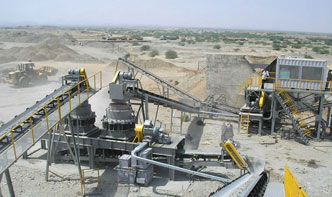
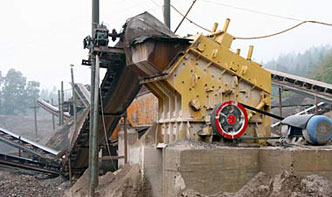
Crushing and sand-making equipment, including jaw crushers, cone crushers, and vertical shaft impactors (VSIs), face severe wear due to constant contact with hard, abrasive materials. Wear-resistant alloys and liners are standard solutions, but supplementary methods like talc application offer additional protection. Talc, a naturally occurring mineral with low hardness (1 on the Mohs scale), acts as a lubricant between particles, reducing metal-to-rock abrasion during crushing and grinding.
1. Friction Mitigation: Talc’s lamellar structure creates a slippery layer between rock surfaces, minimizing direct contact with equipment components.
2. Heat Dissipation: By reducing friction-generated heat, talc helps prevent thermal stress on crusher liners and bearings.
3. Cost Efficiency: Extending component life lowers maintenance downtime and replacement costs.
Q: Does talc affect final product quality?
A: No—talc is inert and washes away during screening or washing processes, leaving no residue in aggregates.
Q: Is talc suitable for all rock types?
A: Best for high-abrasion rocks (e.g., granite, basalt). Softer materials like limestone may not require it.
A granite quarry implemented talc dosing in their VSI circuit, reducing rotor wear by 30% and extending service intervals from 600 to 800 hours. Annual savings exceeded $120K in parts and labor.
While advanced materials dominate wear prevention, talc offers a simple yet effective adjunct solution for abrasion reduction. As the demand for durable aggregates grows, integrating such cost-saving measures will be pivotal for sustainable operations.