The Essential Guide to Silica Sand Grinding and Processing in the Aggregates Industry
Silica sand, a critical raw material in construction, glass manufacturing, and industrial applications, requires precise grinding to meet stringent particle size and purity standards. The aggregates industry relies on specialized crushing and grinding equipment to transform raw silica sand into high-quality products for sectors like foundries, ceramics, and hydraulic fracturing.
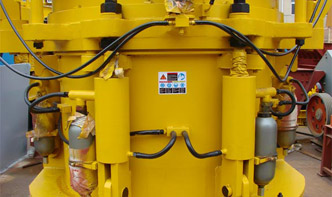
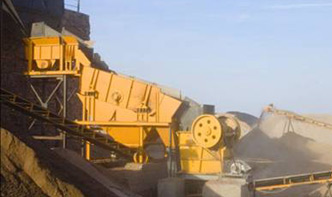
1. Jaw Crushers & Cone Crushers – Primary crushing reduces large silica sand chunks to manageable sizes (typically <50mm). High-wear-resistant liners are essential due to silica’s abrasiveness.
2. Vertical Shaft Impact (VSI) Crushers – Ideal for tertiary crushing, VSI crushers produce cubical particles with low fines, optimizing yield for glass-grade sand.
3. Ball Mills & Raymond Mills – For ultra-fine grinding (sub-100 micron), ball mills with alumina or silica liners prevent contamination. Dry or wet processes are selected based on end-use requirements.
4. Air Classifiers – Integrated with grinders to control particle distribution, removing oversize or undersize fractions efficiently.
Q1: What’s the optimal feed size for silica sand grinders?
A: <30mm for secondary crushing; <5mm for fine grinding mills.
Q2: How to minimize iron contamination?
A: Use non-metallic liners (e.g., rubber or ceramic) and magnetic separators in processing lines.
Q3: Wet vs. dry processing—which is better?
A: Dry grinding suits low-moisture applications (e.g., solar glass), while wet milling reduces dust and improves particle shape for foundry sand.
A U.S.-based aggregates producer upgraded its silica sand plant with a VSI crusher and air classifier system, achieving:
Selecting the right grinding technology for silica sand hinges on particle size targets, purity requirements, and operational costs. Advances in wear-resistant materials and automation are driving efficiency in this high-demand sector.

