The Role of Iron Crushers in the Aggregate and Sand Production Industry
The aggregate and sand production industry is a cornerstone of modern construction, providing essential materials for infrastructure, buildings, and roads. Central to this process are crushing machines, including iron crushers, which break down large rocks into smaller, usable fragments. Understanding the energy consumption of these machines is critical for optimizing operational efficiency and reducing costs.
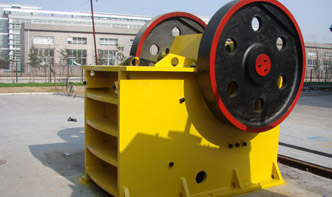
Iron crushers, such as jaw crushers, cone crushers, and impact crushers, vary in energy usage depending on factors like:
On average, a mid-sized iron crusher processes 100–300 tons per hour with an energy consumption of 0.5–1.5 kWh per ton. Advanced models with variable-speed drives and automation can reduce this figure by up to 20%.
1. Proper Machine Selection – Match the crusher type to material hardness and production needs.
2. Regular Maintenance – Worn parts increase resistance and energy waste.
3. Automation & Smart Controls – Modern systems adjust crushing parameters in real time for optimal efficiency.
Q: How can I reduce my crusher’s energy consumption?
A: Optimize feed size distribution, use high-efficiency motors, and implement predictive maintenance.
Q: What’s the lifespan of an iron crusher?
A: With proper maintenance, a well-built crusher can last 10–20 years before major refurbishment is needed.
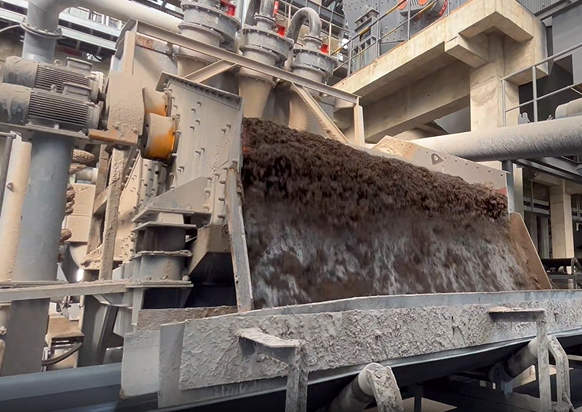
A quarry in Texas replaced an outdated jaw crusher with an energy-efficient model, reducing power consumption by 18% while increasing throughput by 15%. The upgrade paid for itself within two years through lower operational costs.
Energy efficiency in crushing operations directly impacts profitability and sustainability. By selecting the right equipment and adopting best practices, producers can minimize energy waste while maximizing output—key to thriving in the competitive aggregates market.

