The Chemical Composition of River Sand and Its Role in Aggregate Production
River sand, a naturally occurring granular material, has been a fundamental resource in construction for centuries. Its chemical composition primarily consists of silicon dioxide (SiO₂), which accounts for over 80% of its content, along with traces of aluminum oxide (Al₂O₃), iron oxide (Fe₂O₃), calcium oxide (CaO), and other minerals. These components contribute to its durability, workability, and bonding properties in concrete and mortar. However, excessive mining of river sand has led to environmental degradation, prompting the shift toward manufactured sand (M-Sand) produced by crushing rocks using advanced sand-making equipment.
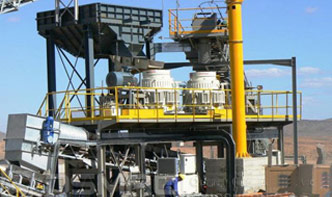
With increasing urbanization and infrastructure development, the demand for high-quality aggregates has surged. Traditional river sand extraction disrupts ecosystems, depletes natural reserves, and often contains impurities like silt and clay. In contrast, M-Sand offers a sustainable alternative with consistent gradation and enhanced mechanical properties. Modern crushing and screening equipment—such as vertical shaft impactors (VSI), cone crushers, and jaw crushers—enable precise control over particle shape and size distribution, meeting stringent construction standards.
1. Jaw Crushers: Primary crushing of large rocks into smaller fragments.
2. Cone Crushers: Secondary crushing to achieve intermediate sizes with low flakiness.
3. Vertical Shaft Impactors (VSI): Tertiary stage for shaping cubical particles and removing microfines.
4. Screening Systems: Vibrating screens classify aggregates into desired fractions (e.g., 0-5mm for M-Sand).
Q: Does M-Sand require additives for better workability?
A: No, proper gradation and microfines (<75μm) content ensure optimal workability without admixtures.
Q: Can M-Sand replace river sand in all applications?
A: Yes, with adjustments in mix design, it performs comparably or better in concrete, plastering, and asphalt.
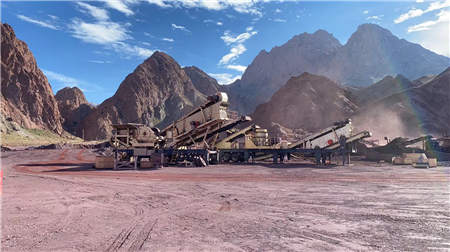
A highway project in India replaced river sand with M-Sand produced by a VSI crusher plant. The result was a 15% increase in compressive strength of concrete while reducing costs by 20% due to local sourcing and lower transportation needs.
The transition to manufactured sand reflects the industry’s commitment to sustainability without compromising performance. Advanced crushing technology ensures that M-Sand meets global construction demands while preserving natural resources—a win-win for engineers and the environment alike.

