The Role of Jaw Crushers in the Aggregate and Sand Production Industry
The aggregate and sand production industry is a cornerstone of modern construction, providing essential materials for infrastructure, roads, and buildings. Among the key equipment in this sector, jaw crushers stand out as primary crushing machines, offering reliability and efficiency in processing hard rock and recycled materials.
With urbanization and infrastructure development accelerating globally, demand for high-quality aggregates has surged. Jaw crushers, like the Pettibone WRB series, play a critical role in reducing large rocks into manageable sizes for further processing. Their robust design and simplicity make them ideal for quarrying, mining, and recycling operations.
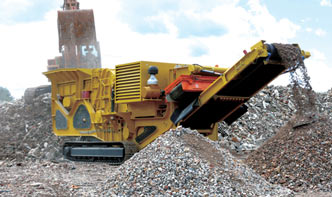
The Pettibone WRB jaw crusher is renowned for its durability and performance. Key features include:
While pricing varies based on configuration and market factors, the Pettibone WRB is competitively positioned for mid-to-large-scale operations seeking long-term value.
1. What materials can a jaw crusher process?
Jaw crushers handle granite, basalt, concrete, and recycled demolition waste.
2. How does a jaw crusher compare to other crushers?
Unlike cone or impact crushers, jaw crushers excel at primary crushing with lower operational costs but may require secondary crushing for finer outputs.
3. What maintenance is required?
Regular lubrication, wear part inspections (e.g., jaw plates), and belt tension checks are essential.
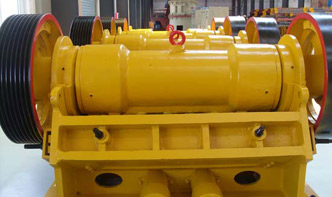
A quarry in Texas implemented the Pettibone WRB to replace an aging crusher, achieving:
Jaw crushers like the Pettibone WRB remain indispensable in aggregate production, balancing performance with cost-efficiency. As technology advances, innovations in automation and wear resistance will further enhance their role in sustainable material processing.

