The Aggregates Industry: Core Equipment and Applications
The aggregates industry plays a pivotal role in global infrastructure development, supplying essential materials like sand, gravel, and crushed stone for construction, roads, and concrete production. Central to this sector are crushing and sand-making machines, which transform raw materials into high-quality aggregates with precise gradation.
Core Equipment Breakdown
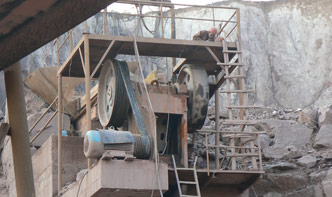
1. Jaw Crushers: Primary crushers for coarse reduction of hard rocks (e.g., granite, basalt). Ideal for stationary or mobile setups.
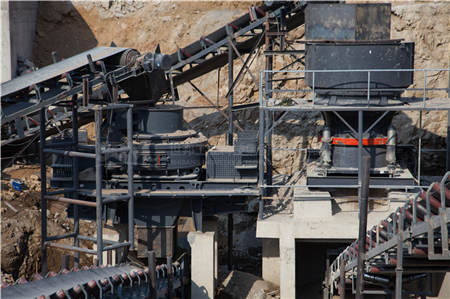
2. Cone Crushers: Secondary/Tertiary crushers delivering finer output with low wear costs, suited for abrasive materials.
3. Impact Crushers: Versatile for soft-to-medium hardness rocks, producing cubical-shaped aggregates—key for asphalt and concrete.
4. Vertical Shaft Impactors (VSI): Critical for manufactured sand (M-sand), optimizing particle shape and gradation to replace natural sand sustainably.
5. Screens & Feeders: Ensure material classification and consistent flow to downstream processes.
Industry Drivers
FAQ Section
Q: How to choose between cone crushers and impact crushers?
A: Cone crushers excel in hardness and abrasion resistance; impact crushers offer better shape adjustment for mid-hardness materials.
Q: What’s the advantage of M-sand over natural sand?
A: M-sand ensures consistent quality, eliminates silt content, and reduces ecological disruption from riverbed mining.
Q: How to mitigate dust in crushing plants?
A: Use enclosed systems, water sprays, or bag filters alongside proper ventilation designs.
Project Case
A quarry in Texas upgraded to a VSI-based sand plant, achieving 150 TPH of ASTM-compliant M-sand while cutting water consumption by 40% vs. traditional washing methods. The ROI was realized within 14 months due to premium aggregate pricing.
Innovations like AI-driven predictive maintenance and hybrid power crawler plants are reshaping efficiency benchmarks—proving the sector’s adaptability amid rising sustainability pressures.

