Grinding Machines in Copper Ore Processing: A Comprehensive Overview
The mining and aggregates industry relies heavily on grinding machines to process raw materials like copper ore into finer particles suitable for further beneficiation. Copper ore, often extracted as large chunks, requires crushing and grinding to liberate valuable minerals from waste rock. Grinding machines play a pivotal role in this process, ensuring optimal particle size for downstream operations such as flotation or leaching.
Copper is a critical metal used in construction, electronics, and renewable energy systems. To meet global demand, efficient ore processing is essential. After primary crushing, copper ore is fed into grinding mills—such as ball mills, SAG mills (Semi-Autogenous Grinding), or vertical roller mills—to reduce particle size. These machines operate by tumbling or rotating heavy media (steel balls or rods) to break down ore into finer fractions.
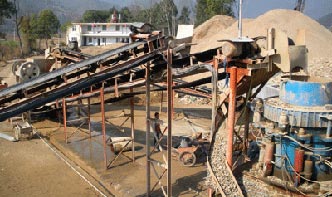
1. Ball Mills: Most common in secondary grinding, using steel balls to pulverize ore.
2. SAG Mills: Combine crushing and grinding in a single stage, ideal for large-scale operations.
3. HPGR (High-Pressure Grinding Rolls): Energy-efficient alternative for pre-grinding hard ores.
4. Stirred Mills: Ultra-fine grinding solutions for refractory ores requiring micron-level fineness.
Key factors influencing machine selection include ore hardness, throughput requirements, and energy efficiency goals. Modern advancements focus on automation and wear-resistant materials to extend equipment lifespan and reduce downtime.
Q: What is the typical feed size for copper ore grinding?
A: After primary crushing, feed sizes range from 10–50 mm before entering grinding circuits.
Q: How does grinding affect copper recovery rates?
A: Properly ground ore ensures optimal mineral liberation, improving flotation recovery by 5–15%.
Q: What are common challenges in copper ore grinding?
A: High abrasiveness of copper ores accelerates liner wear; solutions include using rubber or composite liners and regular maintenance schedules.
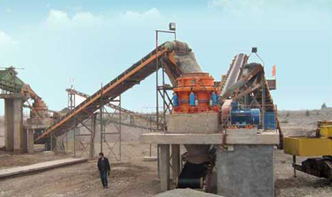
A Chilean copper mine upgraded its aging ball mill circuit with a HPGR-stirred mill combination, achieving:
Grinding machines are indispensable in copper ore processing, balancing efficiency, cost, and product quality. Innovations like hybrid milling circuits and smart sensors continue revolutionizing the sector, ensuring sustainable mineral extraction amid rising demand.

