Banded Iron Formations Beneficiation Plant: Key Equipment and Industry Insights
Banded Iron Formations (BIFs) are among the most important sources of iron ore globally. These sedimentary rocks, characterized by alternating layers of iron oxides and silica, require specialized beneficiation processes to extract high-grade iron concentrate. The growing demand for steel has driven advancements in BIF beneficiation plants, where crushing, grinding, magnetic separation, and flotation play critical roles.
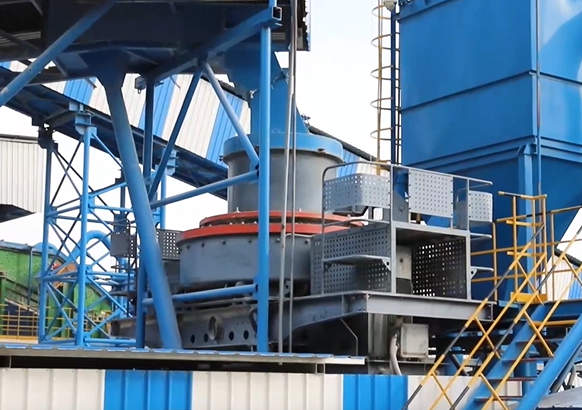
1. Primary Crushing: Jaw crushers or gyratory crushers reduce large BIF chunks to manageable sizes (150–200 mm). High-pressure grinding rolls (HPGR) are increasingly used for energy-efficient comminution.
2. Secondary/Tertiary Crushing: Cone crushers further reduce ore to 10–30 mm before grinding.
3. Grinding: Ball mills or vertical roller mills pulverize the ore to liberate iron minerals from silica gangue.
4. Magnetic Separation: Low-intensity magnetic separators (LIMS) recover magnetite, while high-intensity separators (HIMS) target hematite.
5. Flotation: Reverse flotation removes silica impurities from the iron concentrate.
Q1: What is the typical iron recovery rate in BIF beneficiation?
A: Modern plants achieve 70–85% recovery, depending on ore grade and process design.
Q2: How is water managed in these plants?
A: Closed-loop water systems minimize consumption, with thickeners recycling process water.
A project in Western Australia upgraded a BIF beneficiation plant by integrating HPGRs and LIMS, boosting iron recovery from 72% to 82% while cutting energy use by 15%. The plant now produces 12 Mtpa of >65% Fe concentrate for export markets.
By leveraging advanced equipment and tailored flowsheets, BIF beneficiation plants can sustainably meet global iron ore demands while minimizing environmental impact.

