Crushing Machines for Tile Making Powder: A Comprehensive Guide
The construction and tile manufacturing industries heavily rely on finely crushed materials to produce high-quality products. Crushed stone powder, or artificial sand, serves as a key raw material for ceramic tiles, pavers, and other construction elements. To meet the demand for uniform particle size and purity, specialized crushing machines are essential in processing raw minerals like quartz, feldspar, or limestone into fine powders suitable for tile production.
Several types of crushers are commonly used in tile powder production:
1. Jaw Crusher – Ideal for primary crushing, reducing large rocks to manageable sizes (typically 10-100mm).
2. Impact Crusher – Delivers medium-to-fine crushing with adjustable output sizes (0-20mm), suitable for secondary processing.
3. Hammer Crusher – Efficient for brittle materials, producing powders below 5mm with high throughput.
4. Ball Mill/Raymond Mill – Further grinds crushed materials into ultra-fine powders (<0.075mm) for premium tile quality.
Key features of modern crushers include wear-resistant liners, adjustable discharge settings, and energy-efficient designs to minimize operational costs.
Q1: What is the ideal feed size for crushing machines?
A: For jaw crushers, feed sizes up to 600mm are common, while hammer mills work best with materials below 50mm. Pre-screening helps optimize efficiency.
Q2: How to control powder fineness?
A: Adjustable rotor speed, screen mesh size (for hammer crushers), or grinding media selection (in ball mills) can refine output fineness.
Q3: What maintenance is required?
A: Regular inspection of wear parts (hammers, liners), lubrication checks, and belt tension adjustments ensure longevity and consistent performance.
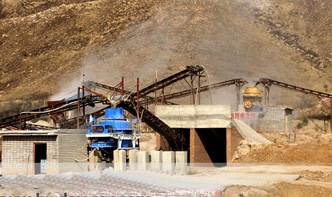
A ceramic tile manufacturer in Spain upgraded from traditional roller crushers to a vertical shaft impactor (VSI) system combined with a ball mill grinding circuit. This switch improved powder uniformity (<0.1mm variance) while reducing energy consumption by 18%, enhancing tile strength and glaze adhesion significantly.
Selecting the right crushing machine depends on raw material properties and desired powder specifications. Advanced automation and wear-resistant designs continue to revolutionize efficiency in tile powder production, supporting sustainable construction practices worldwide.

