Optimizing Hopper Design for Crusher Plants in the Aggregate Industry
The aggregate industry relies heavily on efficient crushing and screening plants to produce high-quality sand, gravel, and crushed stone. A well-designed hopper is critical to ensuring smooth material flow, minimizing blockages, and maximizing productivity in crusher plants.
The demand for construction materials continues to rise, driven by infrastructure development and urbanization. Crusher plants must handle varying feed sizes, moisture content, and abrasive materials. The hopper serves as the first point of material intake, influencing downstream processing efficiency. Poor hopper design can lead to bridging, segregation, or uneven feeding, causing downtime and increased maintenance costs.
1. Geometry & Slope
– The hopper must have an optimal slope (typically 55–60°) to prevent material buildup.
– Steeper angles are required for sticky or wet materials to avoid clogging.
2. Material Flow & Discharge
– Smooth internal liners (e.g., UHMW polyethylene or AR steel) reduce friction and wear.
– Vibrating feeders or grizzly screens at the discharge point help regulate feed rates into the crusher.
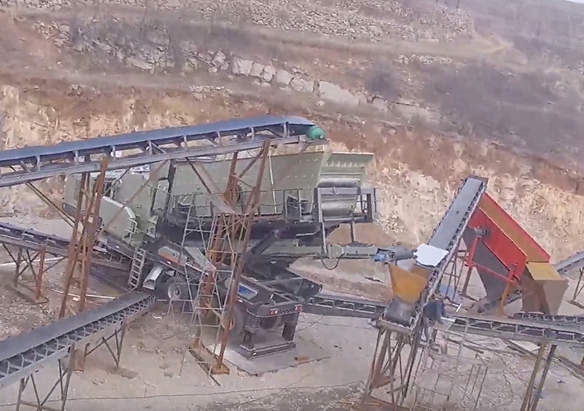
3. Capacity & Feed Control
– The hopper should match the crusher’s throughput capacity to avoid overloading or starvation.
– Adjustable gates or variable-speed feeders enhance control over material flow.
4. Dust Suppression & Safety
– Enclosed designs with water spray systems minimize dust emissions.
– Access platforms and guardrails ensure safe maintenance operations.
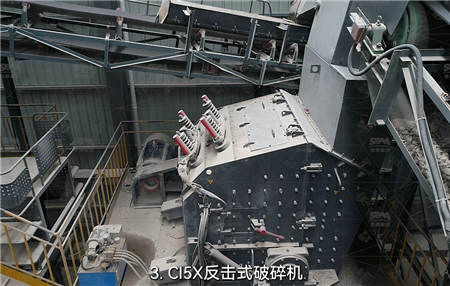
A: Install vibrators or air cannons to disrupt stagnant material; ensure proper slope and liner selection.
A: Typically, a 10–15 m³ capacity with a 1–2 min dwell time ensures consistent feeding without overflow.
A: Yes, but proper分流 (splitter) gates and feeder synchronization are required to balance material distribution.
A quarry in Texas upgraded its primary jaw crusher hopper by increasing the slope from 50° to 58° and adding wear-resistant liners. This reduced blockages by 70% and improved crusher uptime by 15%, demonstrating the impact of optimized design on operational efficiency.
A well-engineered hopper is fundamental to crusher plant performance. By addressing geometry, flow dynamics, and safety features, operators can enhance throughput while reducing downtime—key factors in staying competitive in the aggregates sector.

