The Growing Demand for Impact Crushers in Saudi Arabia’s Aggregate Industry
Saudi Arabia’s construction and infrastructure sectors are experiencing rapid growth, driven by mega-projects like NEOM, the Red Sea Project, and extensive urban development. This surge has intensified the demand for high-quality aggregates, making efficient crushing equipment indispensable. Among these, impact crushers have emerged as a preferred choice for their versatility, high reduction ratios, and ability to produce well-shaped cubical end products—ideal for concrete and asphalt production.
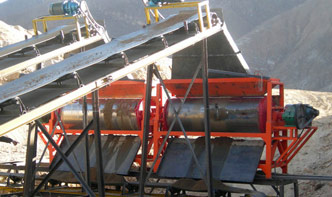
Impact crushers excel in secondary and tertiary crushing stages, offering:
1. Road Construction: Producing angular aggregates for asphalt mixes.
2. Concrete Production: Delivering uniformly graded sand and crushed stone.
3. Mining & Recycling: Processing ores or demolishing waste into reusable materials.
Q1: What maintenance does an impact crusher require?
Regular inspection of wear parts (blow bars, aprons) and lubrication of bearings are critical to minimize downtime.
Q2: Can impact crushers handle hard rocks like granite?
Yes, but hammer hardness and rotor speed must be optimized. For extremely hard rocks, a jaw cone + impact combo may be preferable.
Q3: Are mobile impact crushers available?
Absolutely. Track-mounted models are popular for on-site crushing in remote Saudi projects.
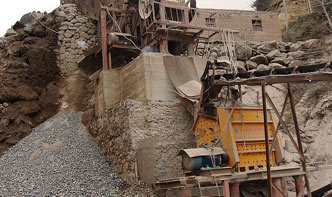
A local contractor deployed a 300 TPH impact crusher to process basalt for a highway upgrade. The equipment’s ability to reduce feed size from 500mm to 0-20mm eliminated the need for primary crushing, cutting costs by 15%. The cubical aggregates also enhanced pavement durability.
As Saudi Arabia continues its infrastructure boom, investing in reliable impact crushers ensures efficient aggregate production while meeting stringent quality standards. Whether for fixed plants or mobile units, selecting the right model—with after-sales support—is key to long-term profitability in this competitive market.

