The Evolution of Aggregate Screening Equipment in the Sand and Gravel Industry
The sand and gravel industry is a cornerstone of modern construction, providing essential materials for infrastructure, concrete production, and road building. As demand for high-quality aggregates grows, manufacturers of crushing and screening equipment continue to innovate, delivering solutions that enhance efficiency, reduce environmental impact, and lower operational costs.
Industry Background
Global urbanization and infrastructure development have driven the need for advanced aggregate processing systems. Traditional methods often involved labor-intensive processes with inconsistent output quality. Today, modern screening equipment leverages automation, precision engineering, and robust materials to ensure optimal particle size distribution, minimal waste, and adherence to stringent industry standards.
Core Technologies in Screening Equipment
1. Vibrating Screens: The most common type, using high-frequency vibrations to separate materials by size. Modern designs feature adjustable amplitude and multi-deck configurations for higher throughput.
2. Trommel Screens: Ideal for wet or sticky materials, rotating drums sift aggregates while self-cleaning mechanisms prevent clogging.
3. Static Grizzlies: Used for primary screening, removing oversized rocks before secondary crushing.
4. Mobile Screening Plants: Compact, modular units offer flexibility for remote or temporary job sites, reducing transportation costs.
Key advancements include:
Common FAQs
1. How do I choose the right screen for my material?
Consider feed size, moisture content, and desired end product. For fine aggregates, high-frequency screens are optimal; for rugged materials, heavy-duty trommels are preferable.
2. What maintenance practices extend equipment life?
Regular lubrication, inspection of screen meshes, and balancing of vibratory mechanisms are critical.
3. Can screening equipment handle recycled materials?
Yes, many systems process demolition waste or reclaimed concrete, though abrasive materials may require wear-resistant liners.
Engineering Case Study
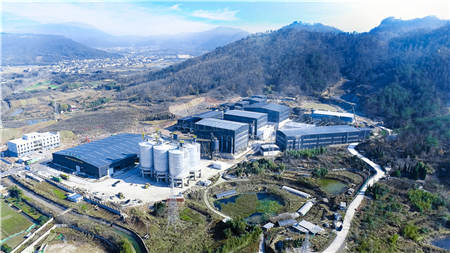
A quarry in Texas upgraded to a multi-stage screening system, combining vibrating screens and air classifiers. This reduced oversize material by 15% and increased yield of high-value manufactured sand. The ROI was achieved within 10 months due to reduced waste and higher product consistency.
Future Trends
Sustainability is reshaping the industry, with manufacturers focusing on:
As the aggregate industry evolves, screening equipment remains pivotal in meeting the dual demands of productivity and environmental stewardship. Investing in the right technology ensures long-term competitiveness in this vital sector.

