The Mining Process Flow Diagram: From Ore to Aggregate Production
The mining and aggregate industry plays a pivotal role in infrastructure development, providing essential materials like crushed stone, sand, and gravel for construction. A well-structured mining process flow diagram ensures efficient extraction, crushing, screening, and grading of raw materials. Here’s an in-depth look at the key stages and equipment involved.
Demand for high-quality aggregates is driven by urbanization, road construction, and concrete production. The process begins with ore extraction (e.g., limestone, granite, or basalt) via drilling, blasting, or direct excavation. The material is then transported to crushing and screening plants for further processing.
1. Primary Crushing:
– Jaw Crushers: Ideal for hard, abrasive ores, reducing large rocks to ~150–300 mm.
– Gyratory Crushers: Suited for high-capacity primary crushing in large-scale mines.
2. Secondary/Tertiary Crushing:
– Cone Crushers: Produce finer aggregates (20–50 mm) with precise particle shape.
– Impact Crushers: Used for softer materials, generating cubical outputs for concrete or asphalt.
3. Screening & Classification:
– Vibrating Screens: Separate aggregates by size (e.g., 0–5mm sand, 5–20mm gravel).
– Sand Washers: Remove impurities for high-purity sand in ready-mix concrete.
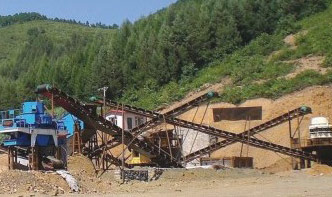
4. Conveying & Storage:
– Belt conveyors transport materials between stages, while silos store finished products.
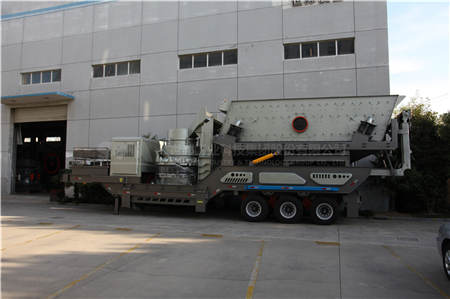
Q: How to optimize crushing efficiency?
A: Match crusher type to ore hardness (e.g., jaw for granite, impact for limestone) and maintain regular wear-part inspections.
Q: What’s the role of automation?
A: PLC systems monitor feed rates, crusher load, and screen efficiency, reducing downtime.
A quarry producing 500 TPH of road base aggregates implemented a 3-stage crushing circuit:
Result: 20% higher yield with <5% oversize material, meeting ASTM C33 specs.
A well-designed mining flow diagram maximizes resource utilization and product quality. Advances in crushing technology (e.g., hybrid crushers, AI-powered sorting) continue to redefine efficiency in the aggregate sector.

