The Rock Pulverizer and Aggregate Industry: A Comprehensive Overview
The aggregate industry is a cornerstone of modern construction, providing essential materials like sand, gravel, and crushed stone for infrastructure projects. Among the key equipment in this sector, rock pulverizers play a pivotal role in breaking down large rocks into smaller, usable aggregates. This article explores the technology behind rock pulverizers, their applications, and common considerations for buyers.
Global demand for construction aggregates continues to rise, driven by urbanization and infrastructure development. Efficient crushing equipment, such as rock pulverizers, ensures consistent material quality while reducing operational costs. These machines are widely used in mining, quarrying, and recycling operations to process hard rocks, concrete debris, and other raw materials.
1. Mechanism: Most pulverizers use hydraulic or mechanical force to crush rocks. Hydraulic pulverizers offer precision and power, ideal for demolition and recycling, while mechanical jaw crushers are suited for high-volume quarry work.
2. Versatility: Attachments like grapples or rotating heads enhance functionality, allowing one machine to perform multiple tasks.
3. Durability: High-grade steel construction and wear-resistant components extend service life, even in abrasive environments.
When browsing listings (e.g., Craigslist for used equipment), evaluate:
Q: Can a rock pulverizer process reinforced concrete?
A: Yes, but models with reinforced cutting blades handle rebar better.
Q: What maintenance is required?
A: Regular greasing of pivot points and inspection of hydraulic lines are critical.
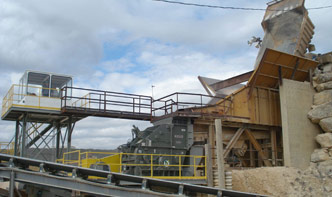
A Texas quarry increased productivity by 30% after switching to a hydraulic pulverizer, reducing downtime for jaw replacements compared to traditional crushers.
Investing in the right rock pulverizer—whether new or used—requires balancing performance, cost, and intended use. As the aggregate industry evolves, efficient crushing technology remains indispensable for sustainable construction growth.

