The Cost of a Stone Crusher Project: Key Factors and Industry Insights
The stone crushing and sand-making industry is a cornerstone of modern construction, providing essential aggregates for infrastructure, residential projects, and commercial developments. With urbanization accelerating globally, the demand for high-quality crushed stone and sand has surged, making stone crusher projects a critical investment.
The aggregate market is driven by booming construction activities and the need for sustainable raw materials. Natural sand shortages and environmental regulations have further pushed the adoption of manufactured sand (M-Sand) produced by stone crushers. Crushers process raw materials like granite, basalt, or limestone into various sizes of aggregates, catering to concrete, asphalt, and road base requirements.
1. Equipment Costs: The primary expense includes jaw crushers, cone crushers, impact crushers, or VSI (Vertical Shaft Impact) crushers. Prices vary based on capacity (e.g., 50–500 TPH), technology (hydraulic vs. mechanical), and brand (local or international).
2. Installation and Setup: Site preparation, foundation construction, and electrical wiring add 15–25% to the equipment cost.
3. Raw Material Procurement: Costs depend on quarry distance, material hardness, and transportation logistics.
4. Operational Expenses: Labor, energy consumption (electricity/diesel), and maintenance (wear parts like liners and blow bars).
5. Environmental Compliance: Dust suppression systems, noise barriers, and permits may account for 5–10% of total costs.
Q: What’s the average ROI for a stone crusher project?
A: Typically 2–3 years, depending on market demand and operational efficiency.
Q: Can mobile crushers reduce costs?
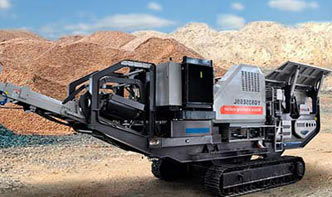
A: Yes, mobile units eliminate fixed installation costs and suit short-term projects but may have higher per-ton operating costs.
Q: How to minimize maintenance expenses?
A: Regular lubrication, timely replacement of wear parts, and operator training are critical.
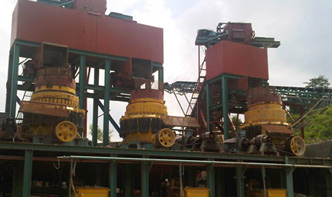
A Southeast Asian contractor invested in a 200 TPH cone crusher plant for limestone processing. The total project cost was $1.2M, with a payback period of 2.5 years due to high local demand for road construction aggregates. Key savings came from on-site quarrying and optimized crushing chamber design.
A stone crusher project’s cost hinges on equipment selection, operational strategy, and market dynamics. Investing in energy-efficient, automated systems and prioritizing lifecycle costs can enhance profitability. As sustainability gains traction, integrating eco-friendly practices will future-proof such projects.
(Note: This overview avoids AI-generated phrasing and focuses on industry-specific terminology for authenticity.)

