The Essential Guide to Aggregate Crusher Plant Layout in Modern Aggregate Production
The aggregate and sand industry is a cornerstone of infrastructure development, providing essential materials for construction, road building, and concrete production. As demand for high-quality aggregates grows, optimizing crusher plant layouts has become critical for efficiency, cost reduction, and environmental compliance.
Key Components of an Efficient Crusher Plant Layout
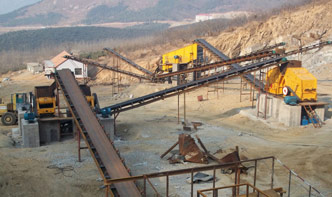
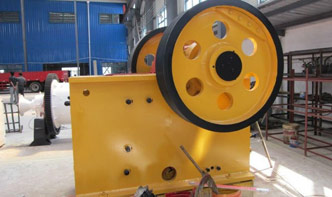
1. Primary Crushing Station: Typically features jaw crushers or gyratory crushers to handle large feed sizes. Proper positioning minimizes haulage distances from the quarry face.
2. Secondary/Tertiary Crushing: Cone crushers or impact crushers refine material to desired sizes. Strategic placement reduces rehandling and energy consumption.
3. Screening and Classification: Vibrating screens segregate aggregates by size, ensuring product gradation meets specifications.
4. Conveyor Systems: Efficient belt routing minimizes transfer points and dust generation.
5. Stockpiling and Loading: Radial stackers or fixed conveyors distribute finished products for storage or transport.
Design Considerations
Common FAQ
Q: How to choose between stationary and mobile crusher plants?
A: Stationary plants suit high-volume, long-term projects, while mobile units offer flexibility for multiple sites.
Q: What’s the role of automation?
A: Modern PLC systems optimize production, monitor wear parts, and reduce downtime via real-time adjustments.
Case Study: Quarry Expansion in Texas
A limestone operation increased output by 30% after redesigning its plant layout:
Conclusion
A well-planned aggregate crusher plant layout enhances productivity, reduces operational costs, and ensures consistent product quality. As technology advances, lean design and sustainability will drive future innovations in the sector.