The Pros and Cons of Limestone Quarrying in the Aggregate Industry
Industry Background
Limestone quarrying plays a vital role in the construction and aggregate industries, providing raw materials for cement, concrete, road base, and architectural stone. As a primary source of crushed stone, limestone is essential for infrastructure development. However, the extraction process raises environmental and operational challenges.
Pros of Limestone Quarrying
1. Economic Benefits: Quarrying creates jobs and stimulates local economies. The demand for limestone products supports mining, transportation, and manufacturing sectors.
2. Versatility: Limestone is used in diverse applications, from construction aggregates to agricultural lime and industrial fillers.
3. Durability: Crushed limestone offers excellent compaction and load-bearing properties, making it ideal for road construction and foundation work.
4. Abundance: Limestone deposits are widespread, reducing reliance on imported materials.
Cons of Limestone Quarrying
1. Environmental Impact: Quarrying disrupts ecosystems, causes habitat loss, and may lead to groundwater contamination. Dust and noise pollution also affect nearby communities.
2. Energy Intensive: Crushing and processing limestone require significant energy, contributing to carbon emissions.
3. Land Degradation: Abandoned quarries can leave behind barren landscapes unless properly rehabilitated.
4. Regulatory Challenges: Compliance with environmental laws increases operational costs and delays.
Core Equipment in Limestone Processing
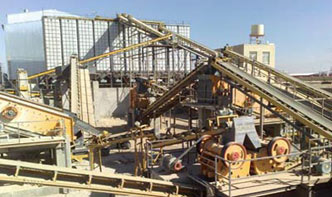
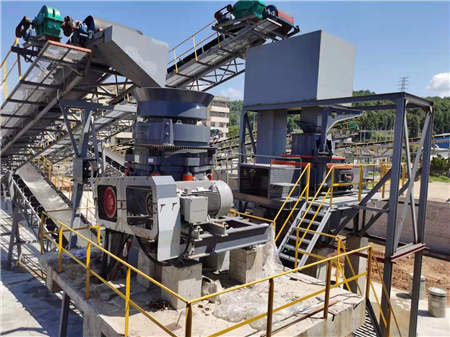
Modern quarries rely on advanced crushing and screening equipment, such as:
FAQ
Q: How is limestone processed after extraction?
A: Limestone is drilled, blasted, and transported to a processing plant, where it is crushed, screened, and washed to meet industry standards.
Q: Can quarried land be restored?
A: Yes, through reclamation projects like replanting vegetation or converting pits into recreational lakes.
Engineering Case Study
A quarry in Texas implemented water recycling systems and dust suppression technologies, reducing environmental impact while maintaining production efficiency.
Conclusion
While limestone quarrying is indispensable for construction, balancing economic gains with sustainability remains critical. Advances in equipment and rehabilitation practices are key to mitigating its drawbacks.

