The Importance of 20mm Stone Aggregate in Construction and Its Density
The construction industry relies heavily on high-quality aggregates, with 20mm stone aggregate being one of the most commonly used sizes. Its density plays a critical role in determining the strength and durability of concrete, asphalt, and other structural applications.
Aggregates, including crushed stone, sand, and gravel, form the backbone of infrastructure development. The 20mm stone aggregate is particularly valued for its balance between workability and strength, making it ideal for reinforced concrete, road bases, and drainage systems.
The density of 20mm stone aggregate typically ranges between 1,500 to 1,680 kg/m³, depending on factors such as rock type (granite, basalt, limestone), moisture content, and compaction. Higher density aggregates improve load-bearing capacity and reduce voids in concrete mixes, enhancing structural integrity.
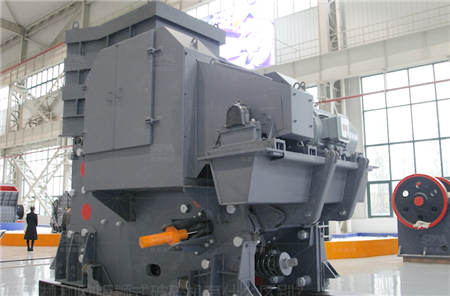
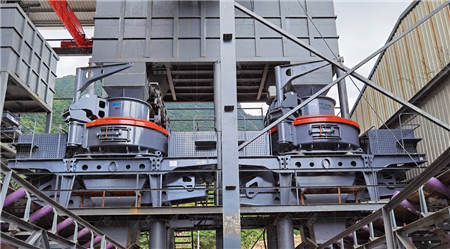
Modern crushing equipment, such as jaw crushers, cone crushers, and impact crushers, ensures consistent particle size distribution. Screening separates 20mm aggregates efficiently, while VSI crushers optimize shape for better bonding in concrete.
Q: Why is density important in 20mm aggregates?
A: Density affects concrete strength, weight, and durability. Higher-density aggregates resist wear and compaction.
Q: How is bulk density different from particle density?
A: Bulk density includes voids between particles, while particle density measures the solid material alone.
Q: Can recycled aggregates match natural stone density?
A: Recycled concrete aggregates may have slightly lower density but can be optimized with processing.
A highway project in Australia utilized locally sourced 20mm basalt aggregate with a density of 1,620 kg/m³. The mix design ensured high compressive strength (>40 MPa), reducing pavement thickness and long-term maintenance costs.
Understanding the density and quality of 20mm stone aggregate is essential for sustainable construction. Advances in crushing technology continue to improve material efficiency, supporting global infrastructure demands.
(Note: For specific density values, laboratory testing is recommended due to regional variations.)

