Metal Detectors for Mining Conveyors in India: Enhancing Efficiency and Safety
The mining and aggregate industry in India is a critical sector, supplying raw materials for infrastructure, construction, and manufacturing. With the growing demand for sand, gravel, and crushed stone, the need for efficient material handling systems has intensified. Conveyor belts are widely used to transport bulk materials, but foreign metal contaminants (e.g., tramp iron, bolts, or tool fragments) can damage crushers, screens, and other downstream equipment. Metal detectors play a vital role in safeguarding machinery and ensuring product purity.
Metal detectors for mining conveyors are designed to identify and remove metallic impurities before they enter processing stages. Key features include:
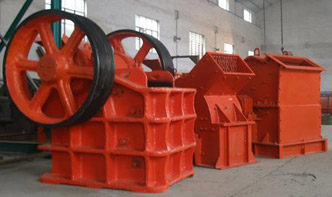
1. Primary Crushing Lines: Prevents metal debris from damaging jaw/cone crushers.
2. Screening Plants: Ensures clean feed to vibrating screens for accurate grading.
3. Final Product Quality: Eliminates metal traces in sand/gravel for construction use.
Q: Can metal detectors handle high-speed conveyors?
A: Yes, advanced models support belt speeds up to 5 m/s with real-time detection.
Q: How are false alarms minimized?
A: Modern detectors use DSP (Digital Signal Processing) to ignore mineralized ores or moisture interference.
Q: What maintenance is required?
A: Routine calibration and coil cleaning are recommended; most systems are designed for minimal upkeep.
A leading Indian quarry operator installed a conveyor-mounted metal detector after frequent crusher jams caused by stray metal pieces. Post-installation:
For mining and aggregate operations in India, integrating metal detectors into conveyor systems is a cost-effective solution to enhance productivity and protect critical machinery. Investing in reliable detection technology ensures uninterrupted production while maintaining high-quality output for end-users.