The Role of Crushing and Sand-Making Equipment in the Aggregate Industry
The aggregate industry, a cornerstone of global infrastructure development, relies heavily on crushing and sand-making equipment to produce high-quality sand and gravel for construction, road building, and concrete production. With urbanization and industrialization driving demand, efficient processing plants must balance productivity, environmental compliance, and cost-effectiveness.
Core Equipment in Aggregate Processing
1. Jaw Crushers: Primary crushing machines that reduce large rocks into manageable sizes. Ideal for hard and abrasive materials like granite or basalt.
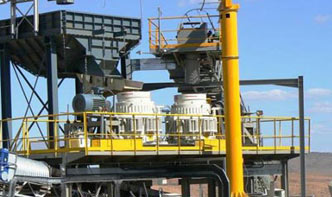
2. Cone Crushers: Secondary or tertiary crushers offering finer output with low wear costs, suited for medium-hard to hard stones.
3. Impact Crushers: Versatile units for shaping aggregates, producing cubical end products ideal for concrete and asphalt.
4. Sand Makers (VSI Crushers): Critical for artificial sand production, ensuring optimal particle shape and gradation by crushing rocks into fine aggregates.
Key Considerations for Plant Design
FAQ Section
1. How to choose between cone and impact crushers?
Cone crushers excel in hardness; impact crushers prioritize shape and flexibility.
2. What’s the lifespan of wear parts?
Varies by material abrasiveness—manganese steel jaws last 6–12 months in granite processing.
Engineering Case: Limestone Quarry Upgrade
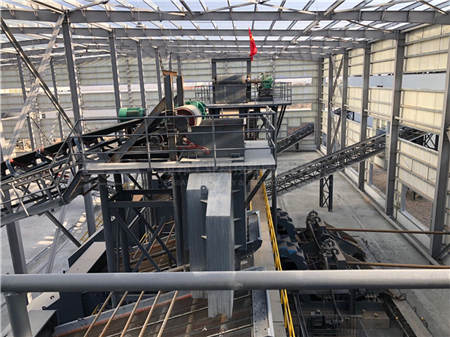
A project in Texas replaced outdated hammer crushers with a VSI-based system, boosting sand yield by 30% while reducing fines waste. Automated screening further cut operational costs by 15%.
By leveraging advanced crushing technology, the aggregate industry can meet rising demands sustainably while maintaining product quality—a critical factor in infrastructure resilience worldwide.

