Dust Control in Crushing and Screening Operations: Systems and Solutions
The aggregates industry, encompassing crushing and screening operations, is a cornerstone of construction and infrastructure development. However, these processes generate significant dust, posing environmental, health, and operational challenges. Effective dedusting systems are critical to ensuring compliance with regulations, protecting worker health, and maintaining equipment efficiency.
Crushing and screening plants handle raw materials like limestone, granite, and recycled concrete, producing coarse aggregates, sand, and gravel. Dust emissions occur at multiple stages: primary crushing, secondary/tertiary crushing, screening, conveyor transfer points, and stockpiling. Uncontrolled dust can lead to:
Modern dedusting systems integrate several technologies:
1. Dust Extraction Hoods
– Installed at dust generation points (e.g., crusher exits, vibrating screens).
– Designed to capture dust at the source with minimal airflow interference.
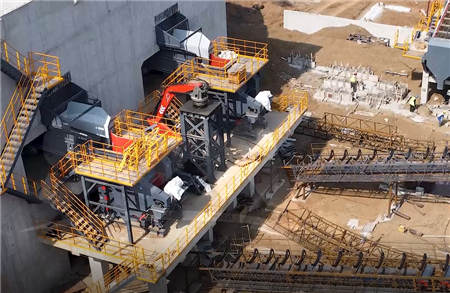
2. Baghouse Filters (Fabric Filters)
– High-efficiency filtration (99.9% for particles >5μm).
– Pulse-jet cleaning mechanisms to prevent clogging.
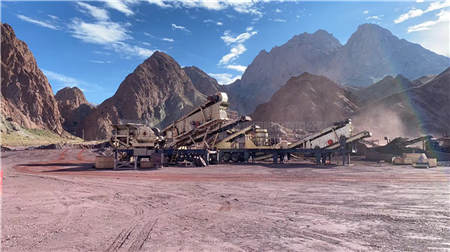
3. Wet Dust Suppression
– Water sprays or misting systems at transfer points.
– Low water consumption but limited to coarse dust control.
4. Cyclone Separators
– Pre-filters for heavy particles before fine filtration.
– Reduce load on baghouses for cost efficiency.
5. Enclosures & Ventilation
– Sealing crushers/screens to contain dust.
– Negative pressure systems to prevent escape.
Q: How to choose between dry (baghouse) and wet suppression?
A: Dry systems suit fine dust and strict emission standards; wet systems are cheaper but less effective for sub-10μm particles.
Q: What maintenance do baghouses require?
A: Regular filter replacement, compressed air checks for pulse cleaning, and monitoring pressure drops.
Q: Can dedusting systems retrofit older plants?
A: Yes, modular designs allow integration with existing conveyors/crushers.
A granite quarry in Texas faced frequent shutdowns due to dust complaints. By installing hoods + a baghouse system at secondary crushers and screens, particulate emissions dropped by 98%. ROI was achieved in 14 months via reduced downtime and avoided EPA penalties.
Tailored dedusting solutions balance cost, efficiency, and regulatory needs. Advances like IoT-enabled airflow monitoring further optimize performance—proving that dust control is no longer optional but a strategic investment for sustainable operations in the aggregates sector.

