The Evolution of Sand Wash Production Lines in the Aggregate Industry
The global construction boom has driven unprecedented demand for high-quality sand and aggregates. As natural sand reserves deplete, manufactured sand (M-Sand) produced by crushing and washing processes has become a sustainable alternative. Modern sand wash production lines integrate crushing, screening, washing, and dewatering to deliver consistent, gradation-controlled sand for concrete, asphalt, and infrastructure projects.
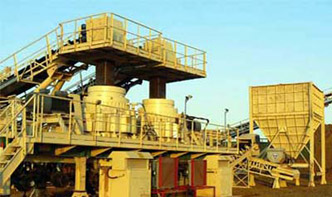
1. Primary Crushing: Jaw or gyratory crushers reduce large rocks to manageable sizes.
2. Secondary/Tertiary Crushing: Cone or impact crushers further refine material to desired gradations.
3. Screening: Vibrating screens separate particles into specific sizes (e.g., 0-5mm for sand).
4. Washing & Dewatering: Sand screws or cyclones remove impurities (clay, silt) and reduce moisture content.
5. Water Recycling Systems: Closed-loop designs minimize water consumption and environmental impact.
Q1: What’s the difference between natural and manufactured sand?
A: M-Sand has angular particles, improving concrete bonding, while natural sand is rounded and may contain impurities.
Q2: How much water is used in a sand wash plant?
A: Advanced systems recycle up to 90% of water, with consumption varying by material clay content (typically 50–100m³/hour).
Q3: Can a wash plant handle hard rock like granite?
A: Yes, but abrasive rocks require wear-resistant linings in crushers and classifiers.
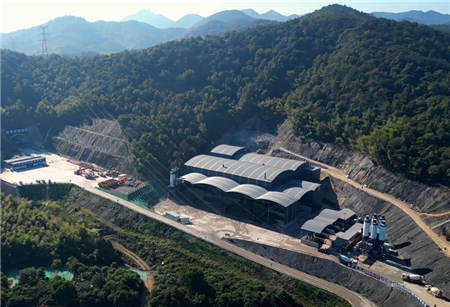
A 250-ton/hour facility combined a cone crusher, multi-deck screen, and dual sand screws to produce ASTM C33-compliant sand. The plant reduced water usage by 70% via a sludge press system, achieving zero discharge.
Automation (AI-powered gradation monitoring) and hybrid energy solutions (solar-powered wash plants) are reshaping the industry toward smarter, greener production.
By optimizing efficiency and sustainability, modern sand wash lines are pivotal in meeting the world’s infrastructure needs while mitigating environmental strain.

