The Role of Grinding Stones in Aggregate Production: A Focus on 180 x 8 x 80 Abrasives
The aggregate and sand-making industry is a cornerstone of modern construction, providing essential materials for infrastructure, concrete, and road building. Central to this process are grinding stones, such as the 180 x 8 x 80 mm abrasive wheel, which play a critical role in shaping and refining raw materials into high-quality aggregates.
Global demand for sand and gravel exceeds 50 billion tons annually, driven by urbanization and infrastructure projects. To meet this demand, efficient crushing and grinding equipment is indispensable. Grinding stones are used in secondary or tertiary processing to achieve precise particle sizing, improve material shape, and enhance the final product’s suitability for concrete or asphalt mixes.
This specific dimension (180 mm outer diameter, 8 mm thickness, 80 mm inner diameter) is commonly used in portable or small-scale grinding machines for:
Key features include:
1. How long does a 180 x 8 x 80 grinding stone last?
Lifespan depends on material hardness and usage frequency—typically 50–100 hours for granite or basalt.
2. Can it be used for wet grinding?
Only if explicitly labeled as “wet-rated”; most are designed for dry operations.
3. What safety precautions are necessary?
Always wear PPE (goggles, gloves) and ensure the stone is securely mounted to avoid fractures at high RPM.
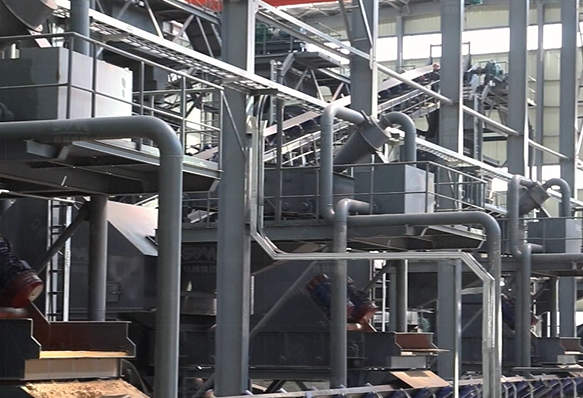
A Texas-based contractor used these grinding stones to process demolished concrete into RCA (recycled concrete aggregate). The stones’ precision allowed them to meet DOT specifications for road base material, reducing landfill costs by 30%.
The 180 x 8 x 80 grinding stone exemplifies how specialized abrasives contribute to efficient aggregate production. As sustainability gains priority, such tools will remain vital for recycling and optimizing raw materials in the construction lifecycle.

