Grindability in Vertical Mills: Enhancing Efficiency in Aggregate Production
The aggregate and sand-making industry relies heavily on efficient grinding technologies to produce high-quality materials for construction, road building, and infrastructure projects. Among the key equipment, vertical roller mills (VRMs) have gained prominence due to their energy efficiency and superior grindability performance. This article explores the role of grindability in vertical mills, its impact on production, and practical considerations for optimizing operations.
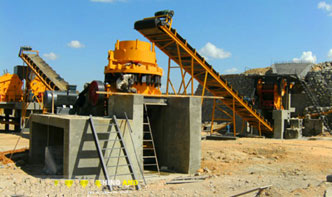
The demand for processed aggregates continues to rise globally, driven by urbanization and infrastructure development. Vertical mills, particularly in limestone, clinker, and slag grinding, offer advantages over traditional ball mills, including lower energy consumption (up to 30% less) and finer product control. Grindability—the ease with which a material can be pulverized—plays a critical role in determining mill efficiency and output quality.
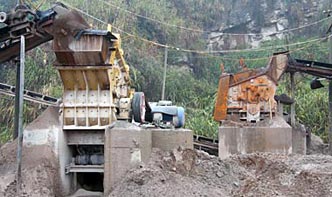
1. Material Properties: Hardness, moisture content, and feed size directly influence grindability. Softer materials like limestone are easier to grind than basalt or granite.
2. Mill Design: Parameters such as roller pressure, grinding table speed, and airflow must be tailored to the material’s grindability index (e.g., Bond Work Index).
3. Wear Resistance: High-abrasion materials require durable rollers and table liners to maintain consistent performance.
Q: How does grindability affect production costs?
A: Poor grindability increases energy consumption and wear-part replacement frequency, raising operational expenses.
Q: Can VRMs handle high-silica-content materials?
A: Yes, but silica’s abrasiveness demands hardened alloys for grinding components to reduce downtime.
A quarry in Texas upgraded to a VRM for limestone processing, achieving a 25% reduction in energy use and a 15% increase in output fineness (measured as % passing 45 microns). Key adjustments included optimizing roller pressure and separator speed based on grindability tests.
Understanding grindability is essential for maximizing vertical mill performance in aggregate production. By selecting appropriate materials, designs, and process controls, operators can achieve higher efficiency, lower costs, and consistent product quality—critical factors in today’s competitive market.

