Hydraulic Rock Crushers: Powering the Aggregates Industry
The global construction and infrastructure sectors rely heavily on high-quality aggregates, driving demand for efficient crushing equipment. Hydraulic rock crushers have emerged as a game-changer, offering superior performance, adaptability, and safety in processing hard stone, recycled concrete, and other raw materials.
Aggregates form the backbone of modern construction, used in concrete, asphalt, and road bases. With urbanization accelerating, the demand for sand and gravel has surged. Traditional jaw and cone crushers face limitations in handling oversized or abrasive materials, prompting the rise of hydraulic rock crushers. These machines leverage hydraulic power to deliver higher crushing force, reduced downtime, and precise control over output size—critical for meeting stringent material specifications.
1. High Efficiency: Hydraulic systems enable adjustable crushing pressure and speed, optimizing output for varying material hardness.
2. Durability: Reinforced components withstand extreme conditions, minimizing wear in quarry or mining operations.
3. Safety: Automated overload protection prevents damage from uncrushable objects (e.g., metal debris).
4. Versatility: Suitable for primary/secondary crushing, demolition recycling, and tunnel excavation.
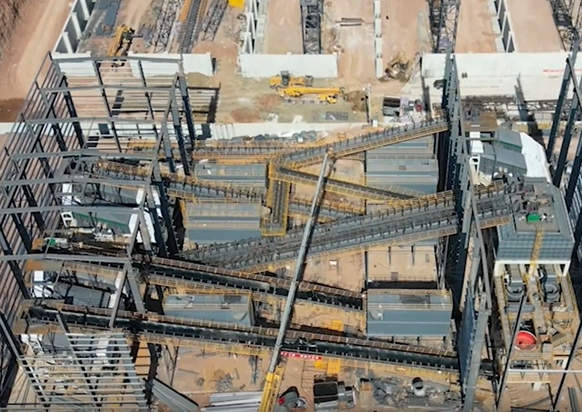
A: Adjustable from 20–100 mm, depending on model and settings.
A: Fewer moving parts reduce lubrication needs; hydraulic seals require periodic checks.
A: Yes, but pre-screening is recommended to avoid clogging.
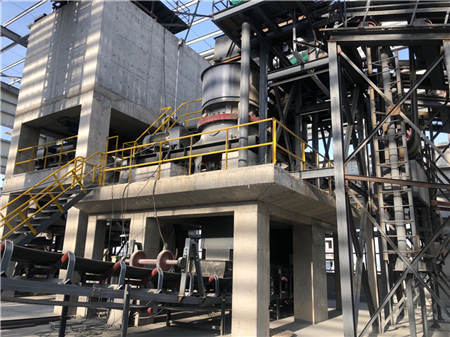
A quarry in Texas upgraded to a hydraulic rock crusher to process granite with unconfined compressive strength exceeding 250 MPa. The solution achieved:
Hydraulic rock crushers are redefining productivity in aggregates production. For buyers evaluating equipment, prioritizing models with intelligent hydraulics and robust aftermarket support ensures long-term ROI. As sustainability regulations tighten, these crushers also align with goals like reduced noise and dust emissions—making them a future-proof investment for the industry.

