The Essential Guide to Gravel Crushing Equipment for 1-Inch Aggregate Production
The aggregates industry is a cornerstone of modern construction, providing the raw materials for infrastructure, roads, and concrete. Among the most sought-after products is 1-inch gravel, a versatile size used for drainage, road base, and landscaping. To produce high-quality 1-inch aggregate efficiently, selecting the right crushing equipment is critical.
Gravel crushing involves reducing large rocks into smaller, uniform pieces. The demand for 1-inch gravel stems from its balance between stability and permeability, making it ideal for projects requiring both load-bearing capacity and water management. Crushers must deliver consistent particle size while minimizing fines (undersized material) to meet specifications.
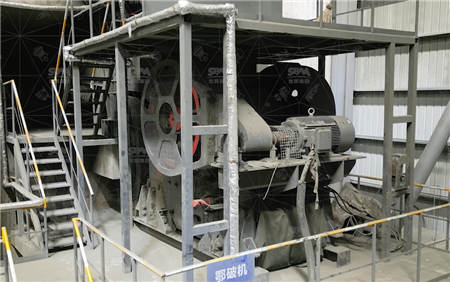
1. Jaw Crushers: Primary crushers like jaw crushers break down large rocks (up to 48 inches) into smaller chunks (6–10 inches). They’re robust and ideal for hard rock but may require secondary crushing to achieve 1-inch output.
2. Cone Crushers: Secondary crushers refine material from jaw crushers into smaller sizes. Adjustable settings allow precise control over the final product, making them perfect for producing 1-inch aggregate.
3. Impact Crushers: These are versatile for softer rock or recycled concrete, producing cubical-shaped gravel with fewer fines. Horizontal shaft impactors (HSIs) are common for this application.
4. Screening Equipment: Vibrating screens separate crushed material into desired sizes (e.g., 1-inch) and remove oversize or undersize particles for recirculation.
Q: Can a single crusher produce 1-inch gravel?
A: Rarely. Most operations use a primary crusher (jaw) followed by a secondary (cone/impact) to achieve consistent sizing.
Q: How to minimize fines in 1-inch gravel?
A: Optimize crusher settings (closed-side setting on cone crushers) and use multi-deck screens to remove undersized particles early.
Q: What’s the cost difference between cone and impact crushers?
A: Cone crushers have higher upfront costs but lower wear-part expenses for hard rock; impact crushers are cheaper initially but may incur higher maintenance with abrasive materials.
A quarry in Texas upgraded to a three-stage crushing plant (jaw + cone + screen) to produce 1-inch limestone gravel for road construction. By fine-tuning the cone crusher’s CSS and adding a pre-screening deck, they increased yield by 20% and reduced waste fines by 15%.
Producing high-quality 1-inch gravel demands a well-designed crushing circuit tailored to material properties and output goals. Investing in the right combination of jaw, cone, or impact crushers—paired with efficient screening—ensures profitability and product consistency in competitive markets.

