The Impact of Limestone Mining in Kenya and the Role of Crushing & Sand-Making Equipment
Industry Background
Limestone mining is a critical economic activity in Kenya, supporting cement production, construction, and agriculture. However, unsustainable practices can lead to environmental degradation, including soil erosion and habitat destruction. To mitigate these effects, modern crushing and sand-making equipment is essential for efficient resource utilization and reduced ecological footprint.
Core Equipment Solutions
1. Jaw Crushers: Primary crushing of raw limestone into manageable sizes.
2. Impact Crushers: Secondary crushing to produce finer aggregates for construction.
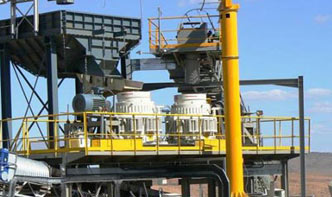
3. Sand Makers (VSI Crushers): Convert crushed limestone into high-quality artificial sand, reducing reliance on natural river sand.
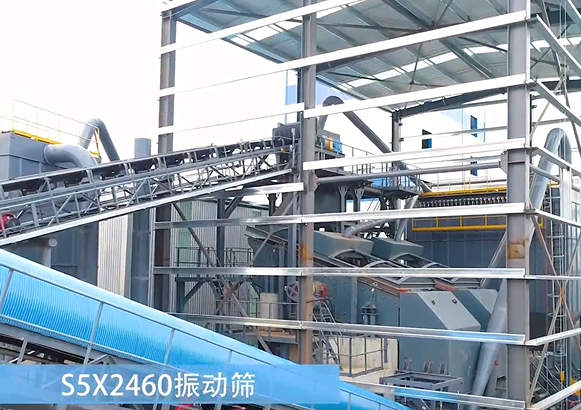
4. Screening Systems: Ensure uniform particle size distribution for optimal end-use.
These technologies enhance productivity while minimizing waste and energy consumption, aligning with Kenya’s sustainable development goals.
Key Benefits
FAQ Section
1. How does limestone mining affect water sources?
Proper waste management and closed-loop water systems in crushing plants prevent contamination.
2. What equipment is best for small-scale miners?
Mobile jaw crushers and compact sand makers offer flexibility and low operational costs.
3. Can crushed limestone replace natural sand?
Yes, processed limestone sand meets ASTM standards for concrete and mortar.
Engineering Case Study
A Kenyan cement plant integrated a 200 TPH VSI sand-making system to repurpose quarry waste into construction sand, cutting material costs by 30% and reducing landfill dependency.
By adopting advanced crushing technology, Kenya’s limestone sector can balance economic growth with ecological sustainability.

