The Cost of Crushing Concrete in the UK: A Comprehensive Guide
The UK construction industry heavily relies on recycled aggregates to meet sustainability goals and reduce landfill waste. Crushing concrete is a key process in producing high-quality recycled aggregates, but costs vary depending on equipment, logistics, and project scale.
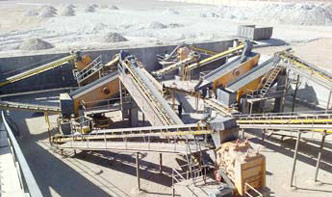
With stringent environmental regulations and rising demand for sustainable construction materials, recycled concrete aggregates (RCA) have gained prominence. The UK processes over 50 million tonnes of construction and demolition waste annually, with concrete being a major component. Mobile and stationary crushing plants are widely used to transform demolished concrete into reusable materials like Type 1 sub-base or finer grades for new construction.
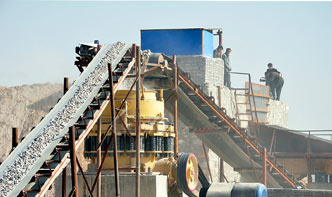
1. Equipment Type: Mobile crushers (e.g., jaw or impact crushers) offer flexibility but may have higher rental/purchase costs compared to stationary plants for large-scale projects.
2. Material Volume: Bulk processing reduces per-tonne costs due to economies of scale. Small projects (<500 tonnes) may incur higher expenses (£10–£20/tonne), while large operations (£5–£12/tonne) benefit from efficiency.
3. Transport & Logistics: On-site crushing eliminates haulage fees, whereas off-site processing adds transportation costs (£2–£5/tonne).
4. Contamination Levels: Clean concrete is cheaper to process (£8–£15/tonne); mixed debris (e.g., rebar, asphalt) requires additional sorting/separation, increasing costs by 20–30%.
Popular models like the QJ341 (jaw crusher) or LT1213 (impact crusher) dominate the UK market, offering outputs of 150–400 tonnes/hour. Key advantages include fuel efficiency, remote monitoring, and quick setup—critical for urban projects with space constraints.
A: Yes, RCA meets BS EN 12620 standards for drainage layers and sub-base applications but may require testing for structural concrete.
A: A 10,000-tonne project typically takes 3–7 days, depending on access and material hardness.
A contractor used a Kleemann MR 110 Z EVO2 impact crusher to process 8,000 tonnes of demolition waste in Greenwich, achieving a 70% cost saving versus landfill fees (£18/tonne vs. £120/tonne). The recycled material was reused for road sub-base within the same site.
Crushing concrete in the UK is cost-effective when optimized for equipment selection and logistics. With advancing technology and regulatory support, recycled aggregates will remain pivotal in sustainable construction.

