The Gravel Screening Equipment Industry: Innovation and Applications
The global demand for high-quality aggregates continues to rise, driven by infrastructure development, urbanization, and construction projects. Gravel screening equipment plays a pivotal role in producing clean, well-graded materials for concrete, asphalt, and road bases. As a leading manufacturer in this sector, we focus on delivering robust, efficient solutions tailored to modern challenges.
Aggregate production relies heavily on screening technology to separate raw materials into precise size fractions. With stricter environmental regulations and the need for higher efficiency, manufacturers are innovating with features like multi-deck screens, modular designs, and smart automation. The shift toward sustainable practices also emphasizes energy-efficient motors and reduced waste generation.
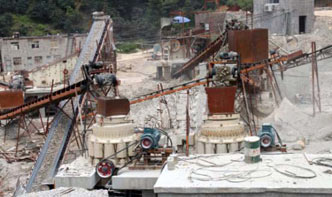
1. High-Capacity Screening – Advanced vibration systems ensure optimal material stratification and throughput.
2. Durability – Heavy-duty steel construction and wear-resistant linings extend equipment lifespan in abrasive environments.
3. Modularity – Customizable screen decks allow quick adjustments for different material types (e.g., crushed stone, sand, or recycled concrete).
4. Automation Integration – IoT-enabled sensors monitor performance in real-time, reducing downtime and maintenance costs.
Granite typically requires finer meshes (e.g., 5–20mm) due to its hardness, while limestone may use coarser screens (10–30mm).
Polyurethane or rubber screen panels with anti-clogging designs improve material flow.
Yes, but pre-sorting and additional washing stages may be necessary to remove contaminants.
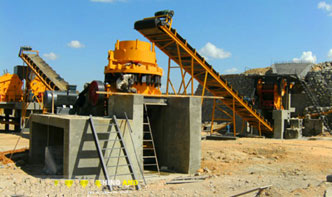
A quarry in Texas upgraded to a multi-stage screening plant to process 500 TPH of basalt. By incorporating a vibrating screen with adjustable amplitude, the operation achieved a 20% increase in yield while reducing oversize material by 15%. The system’s modularity allowed seamless integration with existing crushing units.
The industry is moving toward hybrid power solutions (diesel-electric) and AI-driven predictive maintenance to further optimize screening efficiency. As sustainability gains priority, water recycling systems and noise-reduction technologies will become standard offerings.
For manufacturers and operators alike, investing in advanced gravel screening equipment is no longer optional—it’s essential for staying competitive in an evolving market.