Crushed Sand Making Equipment and the Aggregate Industry: A Comprehensive Overview
Industry Background
The global construction industry heavily relies on high-quality sand and aggregates, essential for concrete, asphalt, and infrastructure projects. With natural sand reserves depleting and environmental regulations tightening, crushed sand (manufactured sand) has emerged as a sustainable alternative. Produced by crushing rocks, gravel, or industrial byproducts, crushed sand offers consistent gradation and enhanced performance in concrete mixes.
Core Equipment for Crushed Sand Production
Modern crushed sand production involves specialized machinery designed to optimize particle shape, size, and cleanliness. Key equipment includes:
1. Jaw Crushers: Primary crushing of large rocks into smaller fragments.
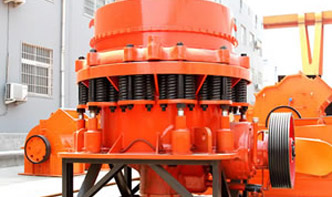
2. Cone Crushers & Impact Crushers: Secondary crushing to refine material size and improve particle shape.
3. Vertical Shaft Impact (VSI) Crushers: Critical for shaping aggregates into cubical particles, reducing flakiness for better concrete workability.
4. Screening & Washing Systems: Remove impurities and classify sand into precise gradations.
Advanced automation and dust control systems ensure efficiency while meeting environmental standards.
Key Advantages of Crushed Sand
Common FAQs
1. How does crushed sand compare to natural sand?
Crushed sand often outperforms natural sand in mechanical properties but may require additives to improve workability.
2. What rocks are best for producing crushed sand?
Granite, basalt, and limestone are ideal due to their hardness and mineral composition.
3. s handle recycled concrete?
Yes, modern crushers can process recycled concrete into high-quality aggregates for new construction.
Engineering Case Study
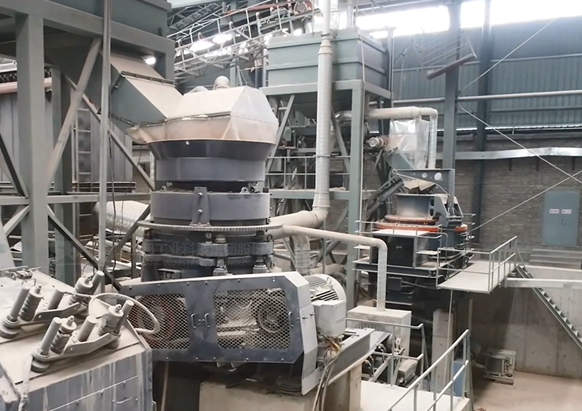
A highway project in Texas replaced natural sand with crushed limestone sand, achieving a 15% increase in compressive strength while reducing material costs by 20%. The project utilized a VSI crusher with a closed-loop water recycling system to minimize waste.
Future Trends
The industry is shifting toward smart crushing plants with IoT-enabled monitoring for real-time optimization and energy efficiency. Innovations like hybrid crushers and AI-driven sorting systems are set to redefine aggregate production.
By adopting advanced crushing technologies, the sector can meet growing demand while aligning with global sustainability goals.

