Iron Ore Beneficiation in Australia: Key Equipment and Industry Insights
Industry Background
Australia is a global leader in iron ore production, with vast reserves in the Pilbara region. The beneficiation process—upgrading low-grade ore into high-grade concentrate—is critical to meet market demands. Crushing, grinding, and screening equipment play a pivotal role in this process, ensuring optimal particle size and mineral liberation for downstream processing.
Core Equipment for Iron Ore Beneficiation
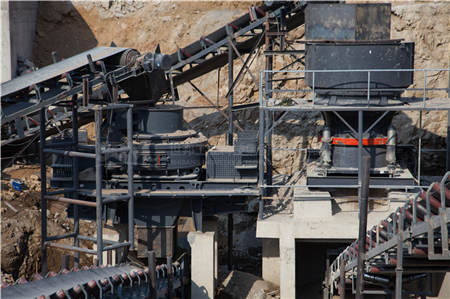
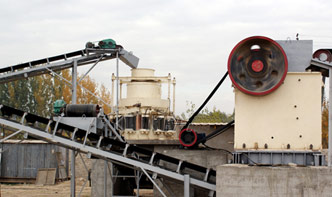
1. Jaw Crushers & Cone Crushers: Primary and secondary crushing reduce large ore chunks to manageable sizes (e.g., 150mm to 20mm).
2. HPGR (High-Pressure Grinding Rolls): Energy-efficient alternative to traditional ball mills, reducing overgrinding and improving downstream recovery.
3. Ball Mills & SAG Mills: Fine grinding to liberate iron minerals from gangue, achieving slurry suitable for magnetic separation or flotation.
4. Magnetic Separators: Wet/dry drum separators remove magnetite, while high-intensity models target hematite.
5. Screening & Classification: Vibrating screens and hydrocyclones ensure precise size control for efficient processing.
Common FAQs
A: HPGR reduces energy consumption by 20–30% vs. conventional mills and minimizes water usage, crucial for arid Australian mining regions.
A: Use wear-resistant liners (e.g., manganese steel) and adopt modular designs for quick replacement of high-wear parts.
A: Attrition scrubbers remove clay coatings from ore surfaces, improving downstream separation efficiency.
Engineering Case Study
A Pilbara-based operation upgraded its plant with HPGR and advanced magnetic separators, achieving:
Conclusion
Australia’s iron ore sector relies on robust beneficiation technologies to maintain competitiveness. Innovations like HPGR and smart screening systems are reshaping the industry, balancing efficiency with sustainability demands. For operators, investing in modular, energy-efficient equipment is key to long-term viability in this capital-intensive market.

