The Essential Role of Nakayama Stone Crushers in Modern Aggregate Production
The global construction industry relies heavily on high-quality aggregates for infrastructure projects, from roads to buildings. At the heart of this supply chain are robust crushing machines like the Nakayama Stone Crusher, engineered to deliver efficiency, durability, and precision in processing hard rock and recycled materials.
Aggregate demand continues to surge with urbanization, driving innovations in crushing technology. Nakayama, a Japanese pioneer in compact crushers, addresses the need for versatile equipment suitable for confined spaces (e.g., urban demolition) and remote quarries. Their crushers balance mobility with high-capacity output, reducing transportation costs and environmental impact.
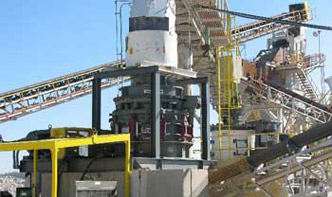
1. Modular Design: Jaw, cone, and impact crushers adapt to primary/secondary crushing stages.
2. Eco-Efficiency: Advanced dust suppression and noise reduction comply with strict regulations.
3. Smart Automation: IoT-enabled monitoring optimizes performance and predictive maintenance.
4. Portability: Track-mounted models like the Nakayama MC240G excel in on-site mobility.
Q: What materials can Nakayama crushers process?
A: Granite, basalt, recycled concrete, and asphalt—ideal for diverse applications.
Q: How does Nakayama ensure low operational costs?
A: Energy-efficient motors and wear-resistant components extend service life.
Q: Are these crushers suitable for small-scale operations?
A: Yes, compact models (e.g., NC320G) cater to small quarries or recycling plants.
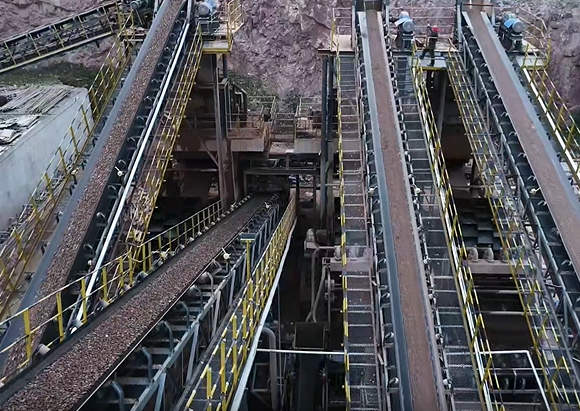
A Southeast Asian highway project utilized Nakayama’s NW120G mobile jaw crusher to process 500TPH of limestone. The unit’s quick setup and minimal downtime reduced project timelines by 20%, showcasing its reliability in large-scale operations.
Nakayama’s solutions exemplify how targeted engineering meets industry demands for sustainability and productivity. As aggregate requirements evolve, their crushers remain pivotal in shaping resilient infrastructure globally.

