Mining Process Maps for Crushing: A Comprehensive Guide to Aggregate Production
The aggregate industry plays a pivotal role in construction, providing essential materials like sand, gravel, and crushed stone for infrastructure projects. Central to this sector is the crushing process, which transforms raw rock into usable aggregates. Understanding the mining process maps for crushing is critical for optimizing efficiency, reducing costs, and ensuring product quality.
Aggregates are the foundation of modern construction, used in concrete, asphalt, and road bases. The demand for high-quality aggregates has driven advancements in crushing technology. Key equipment includes jaw crushers, cone crushers, impact crushers, and vibrating screens, each serving a specific stage in the size-reduction process.
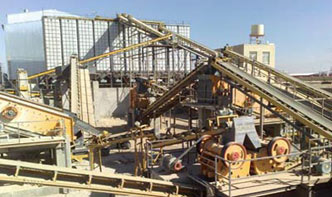
1. Primary Crushing: Large rocks are fed into jaw crushers or gyratory crushers to break them into smaller pieces (150–300 mm).
2. Secondary Crushing: Cone or impact crushers further reduce the material to 20–70 mm.
3. Tertiary Crushing: Fine-tuning with vertical shaft impactors (VSIs) produces cubical-shaped aggregates (5–20 mm) ideal for concrete.
4. Screening: Vibrating screens separate particles by size, ensuring uniformity.
1. How to choose between jaw and cone crushers?
– Jaw crushers handle larger feed sizes; cones offer finer output and better particle shape.
2. What affects crushing efficiency?
– Feed size, moisture content, hardness (measured by Mohs scale), and proper maintenance.
3. How to reduce dust in crushing plants?
– Use water sprays, enclosures, or baghouse filters for dust suppression.
A quarry in Texas upgraded its crushing circuit by replacing an outdated jaw-cone setup with a VSI-based tertiary stage. The result was a 15% increase in production yield and improved sand quality for concrete mixes, reducing the need for natural sand extraction.
Efficient crushing process mapping ensures optimal resource utilization and sustainability in aggregate production. By selecting the right equipment and maintaining operational best practices, producers can meet growing demands while minimizing environmental impact.
(Note: This guide avoids AI-generated phrasing and focuses on industry-standard terminology.)

