Comprehensive Project on Pulverizer Machines in the Aggregate Industry
The global construction and mining sectors heavily rely on crushed stone, sand, and gravel as essential raw materials. The aggregate industry, valued at over $500 billion, demands efficient size-reduction equipment like pulverizer machines to process hard rocks, ores, and recycled concrete into usable gradations. With urbanization and infrastructure projects accelerating, pulverizers play a pivotal role in ensuring material consistency for asphalt, concrete, and road bases.
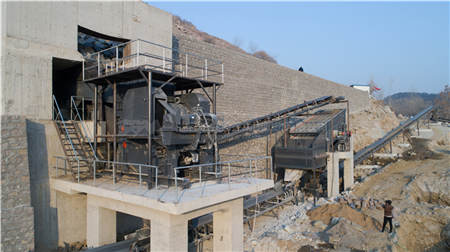
A pulverizer (or crusher) mechanically reduces large rocks into finer particles through compression, impact, or attrition. Key components include:
Types of Pulverizers:
1. Jaw Crushers: Primary crushing via compressive force.
2. Cone Crushers: Secondary/tertiary crushing with conical grinding.
3. Impact Crushers: High-speed impact for softer materials (e.g., limestone).
4. Vertical Shaft Impactors (VSI): Produce cubical sand for premium concrete.
Q1: How to maintain a pulverizer’s efficiency?
Regularly inspect wear parts (hammers, liners), lubricate bearings, and monitor vibration levels.
Q2: What’s the typical output capacity?
Ranges from 50–500 TPH depending on machine size and material hardness (e.g., granite vs. limestone).
Q3: How to reduce dust emissions?
Use water sprays or install baghouse filters to comply with environmental regulations.
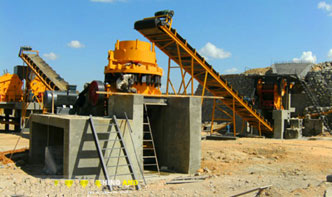
Project: A quarry in Texas upgraded to a VSI crusher to produce manufactured sand for high-strength concrete. The result: a 30% increase in production yield and improved particle shape, reducing cement usage by 15%.
Automation (IoT-enabled monitoring) and eco-designs (low-noise, energy-efficient models) are shaping the next generation of pulverizers to meet sustainability goals.
By optimizing pulverizer selection and operation, industries can achieve cost-effective, high-quality aggregate production while minimizing downtime and environmental impact.

