The Essential Guide to Coal Crusher Installation in the Aggregate Industry
The aggregate and sand production industry relies heavily on robust crushing equipment to process raw materials like coal, limestone, and granite into usable sizes. Coal crushers, a critical component in this chain, are designed to reduce large coal lumps into smaller, uniform particles for further processing or direct use. Proper installation of these machines ensures operational efficiency, safety, and longevity.
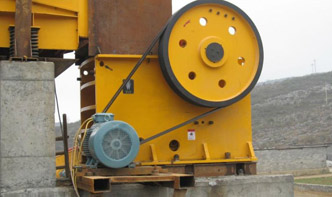
Coal remains a key energy source globally, and its processing often involves crushing to meet combustion or gasification requirements. In mining and thermal power plants, coal crushers bridge the gap between extraction and utilization. The growing demand for efficient crushing solutions has driven advancements in crusher design, focusing on durability, automation, and environmental compliance.
A coal crusher typically consists of a rotor, hammers/teeth, grates, and a housing frame. The installation procedure involves:
1. Site Preparation
– Ensure a solid concrete foundation capable of bearing dynamic loads.
– Verify alignment with upstream/downstream equipment (feeders, conveyors).
2. Machine Assembly
– Assemble the rotor, bearings, and drive system as per manufacturer guidelines.
– Install safety guards and vibration sensors to monitor operational health.
3. Electrical & Control Integration
– Connect motors to variable frequency drives (VFDs) for speed adjustment.
– Integrate with PLC systems for automated operation and fault detection.
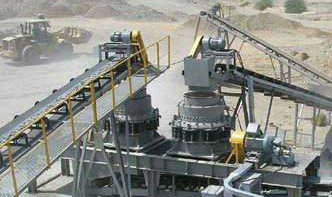
4. Testing & Commissioning
– Conduct no-load runs to check for abnormal vibrations or noise.
– Gradually feed material while monitoring motor current and product size distribution.
A: Use water sprays or enclosed crushing chambers with dust extraction systems.
A: Regular inspection of wear parts (hammers, liners), lubrication of bearings, and belt tension checks.
A coal-fired power plant in Indonesia upgraded its crushing system with a dual-stage hammer crusher. Proper installation reduced downtime by 30% and improved throughput by 20%, showcasing the impact of precision setup on productivity.
Correct coal crusher installation is pivotal for operational success in the aggregate sector. By adhering to technical standards and leveraging modern automation, operators can achieve optimal performance while extending equipment life. Always consult OEM manuals and engage certified technicians for complex installations.

