The Growing Demand for Concrete Feeding Equipment in the Aggregates Industry
The global construction boom has driven unprecedented demand for high-quality sand and aggregates, essential components in concrete production. As infrastructure projects multiply, the need for efficient concrete feeding equipment—a critical link in the crushing and screening process—has surged. This article explores the role of feeding systems in aggregate production, key equipment features, and practical considerations for buyers.
Aggregate production begins with raw material extraction, followed by crushing, screening, and feeding into concrete batching plants. Feeding equipment ensures a steady flow of materials to crushers or conveyors, optimizing throughput and reducing downtime. With stricter environmental regulations and rising energy costs, modern feeders must balance efficiency with sustainability.
1. Vibrating Feeders: Ideal for coarse materials, these use vibration to regulate flow, preventing blockages. Models like apron or grizzly feeders handle large rocks and abrasive ores.
2. Belt Feeders: Suited for fine aggregates, they offer precise control over feed rates and minimize spillage.
3. Screw Feeders: Used for powdered or sticky materials, ensuring uniform discharge.
Advanced designs incorporate automation (e.g., variable frequency drives) to adjust feed rates based on real-time crusher load, reducing wear and energy consumption.
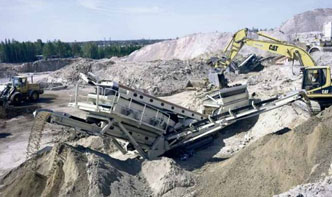
A: Consider material size and abrasiveness. Vibrating feeders excel with rocky debris; belts work better for sand or gravel.
A: Yes, most systems are modular and customizable for seamless integration.
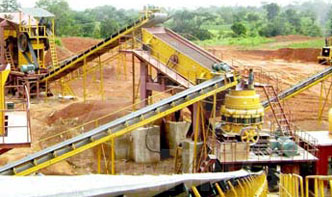
A Texas-based quarry replaced manual loading with automated vibrating feeders, boosting output by 30% while cutting fuel costs by 15%. The system’s adjustable gates allowed precise control over limestone feed sizes, improving downstream crusher efficiency.
Investing in the right concrete feeding equipment is pivotal for maximizing productivity in aggregate operations. Buyers should prioritize durability, automation capabilities, and compatibility with their material type. As technology evolves, smart feeders will play an even greater role in sustainable aggregate production.
For specialized applications, consult manufacturers to tailor solutions to your project’s scale and material characteristics.

