The Noise Levels of Engraving Machines in the Sand and Aggregate Industry
The sand and aggregate industry is a cornerstone of construction and infrastructure development, providing essential materials for concrete, asphalt, and road bases. Within this sector, engraving machines play a critical role in shaping and finishing stone products, but their operation often raises concerns about noise pollution. Understanding and mitigating noise levels is vital for worker safety, regulatory compliance, and community relations.
Sand and aggregate processing involves multiple stages, including crushing, screening, washing, and engraving. Engraving machines are typically used to add decorative or functional patterns to stone slabs or blocks. However, the high-speed cutting and grinding processes generate significant noise, often exceeding 85 dB(A), which can lead to hearing damage over prolonged exposure.
The primary noise contributors in engraving machines include:
1. Motor and Spindle Vibration: High-speed motors and spindles produce high-frequency noise during operation.
2. Tool-Contact Noise: The interaction between diamond-tipped tools and hard materials like granite or basalt creates intense sound waves.
3. Cooling Systems: Air or water cooling systems can add to ambient noise levels if not properly insulated.
To reduce noise emissions, manufacturers and operators adopt several measures:
Many countries enforce strict workplace noise limits (e.g., OSHA’s 90 dB(A) PEL in the U.S.). Companies must conduct regular noise assessments and provide workers with hearing protection if levels exceed safe thresholds.
Q: What is the typical noise range of an engraving machine?
A: Most machines operate between 80–95 dB(A), depending on material hardness and tool condition.
Q: How can I measure noise levels effectively?
A: Use a decibel meter at operator positions and surrounding areas to identify hotspots for mitigation.
Q: Are there low-noise engraving machines available?
A: Yes, some models feature advanced sound insulation and variable-speed controls to reduce noise output.
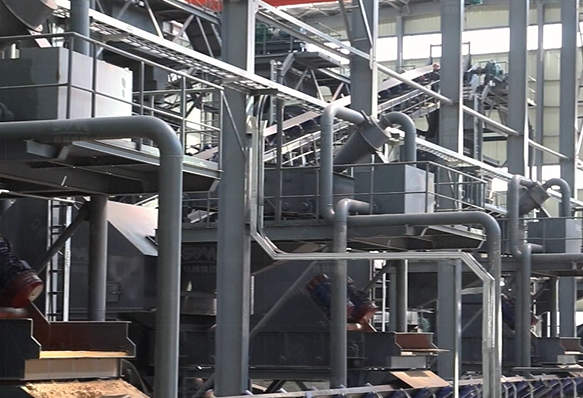
A quarry in Texas implemented enclosed engraving stations with vibration-dampening bases, reducing ambient noise by 15 dB(A). This not only improved worker conditions but also helped the facility meet local environmental regulations without production delays.
In conclusion, while engraving machines are indispensable in the sand and aggregate industry, proactive noise management ensures sustainable operations and worker well-being. Investing in quieter technologies and maintenance practices can yield long-term benefits for businesses and communities alike.

