The Essential Role of Crushing and Grinding Equipment in the Aggregate Industry
The global construction boom has fueled unprecedented demand for high-quality sand and gravel aggregates, driving innovation in crushing and grinding machinery. As a cornerstone of infrastructure development, the aggregate industry relies on advanced equipment like coke grinding machines, jaw crushers, and vertical shaft impactors to produce precisely graded materials for concrete, asphalt, and road bases.
Aggregates account for over 80% of concrete volume and 94% of asphalt mixtures, making efficient processing critical. Modern quarries prioritize automation, energy efficiency, and particle shape optimization to meet stringent standards. Coke grinding machines, for instance, are pivotal in processing petroleum coke or metallurgical coke into fine powders for cement kilns or anode production, showcasing the versatility of crushing technology beyond traditional aggregates.
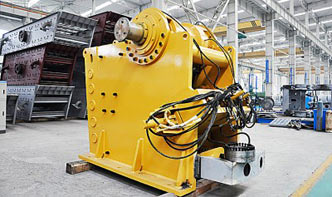
1. Jaw Crushers: Primary crushing giants with adjustable discharge settings for coarse aggregates.
2. Cone Crushers: Secondary/Tertiary crushers producing cubical particles ideal for high-strength concrete.
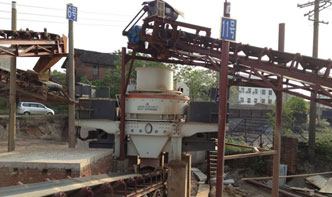
3. Vertical Shaft Impact (VSI) Crushers: Shape-critical applications, yielding well-graded artificial sand.
4. Coke Grinders: Specialized roller mills or ball mills pulverize coke to sub-100-micron fineness with minimal overgrinding.
Key advancements include hydraulic adjustment systems, wear-resistant alloys (e.g., Mn steel liners), and IoT-enabled predictive maintenance to reduce downtime.
Q: How to choose between a jaw crusher and impact crusher?
A: Jaw crushers excel in hard rock primary crushing; impact crushers suit softer materials requiring shape correction.
Q: What’s the typical output size range for coke grinders?
A: Depending on mill type, final products range from 50 microns (ultra-fine) to 3mm (coarse powder).
Q: How to mitigate dust in aggregate plants?
A: Enclosed screening units, bag filters, and wet suppression systems are industry-proven solutions.
A Saudi Arabian limestone quarry upgraded to a 500tph multi-stage crushing plant with a VSI for manufactured sand. By replacing natural sand with machine-made alternatives, the project reduced water usage by 15% in concrete mixes while meeting ASTM C33 specs. The ROI was achieved within 18 months due to higher product value and lower transport costs.
From raw material extraction to precision grinding, crushing equipment is the backbone of sustainable construction. As recycling gains traction (e.g., crushed concrete aggregates), technology must adapt—balancing productivity with environmental stewardship remains the industry’s defining challenge.

