The Evolution of Crushing Technology: Double Cavity Jaw Crushers in Aggregate Production
The aggregate and sand production industry is the backbone of modern infrastructure, supplying materials for construction, roads, and concrete. Among the key equipment driving efficiency in this sector is the double cavity jaw crusher, a robust innovation designed to enhance throughput and reduce operational costs.
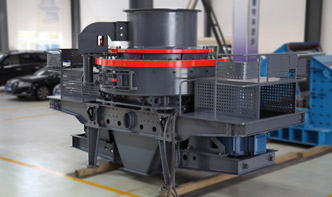
Global demand for high-quality aggregates continues to rise, driven by urbanization and infrastructure projects. Traditional single-cavity jaw crushers often face limitations in handling varied feed sizes or achieving optimal particle distribution. The double cavity design addresses these challenges by incorporating two crushing chambers, enabling simultaneous processing of different material sizes—effectively doubling capacity while maintaining energy efficiency.
1. Enhanced Productivity: Dual chambers allow continuous crushing with reduced downtime for feed variations.
2. Improved Particle Shape: Intermittent crushing actions in each cavity promote better cubical output, critical for high-grade concrete aggregates.
3. Reduced Wear: Strategic material flow distribution minimizes uneven wear on jaw plates, extending service life.
4. Flexibility: Adjustable settings per cavity enable operators to prioritize coarse or fine crushing as needed.
A notable case involves a granite quarry in Texas, where a double cavity jaw crusher replaced two single-cavity units. The result was a 30% increase in hourly output (from 150 to 200 tons) and a 15% reduction in energy consumption due to optimized load distribution.
Q1: How does maintenance compare to single-cavity models?
A: While maintenance intervals are similar, dual-cavity designs often feature modular components for easier plate replacement.
Q2: Can it handle sticky or wet materials?
A: Yes, but proper feed chute design and occasional chamber cleaning are recommended to prevent clogging.
Q3: What’s the typical lifespan of wear parts?
A: Manganese jaws last ~6–12 months under normal conditions, depending on abrasiveness (e.g., basalt vs. limestone).
Automation integration (e.g., IoT-enabled wear monitoring) and hybrid power options are emerging trends, further elevating the double cavity crusher’s role in sustainable aggregate production.
This technology exemplifies how mechanical innovation meets industrial demand—delivering reliability without compromising on performance or adaptability.