The Evolution of Stone Crushing: Pemberton Pigott Machines and the Aggregate Industry
The global construction boom has driven unprecedented demand for high-quality aggregates, making stone crushing equipment a cornerstone of modern infrastructure. Among the key players in this sector, Pemberton Pigott’s crushing machines stand out for their robust engineering and efficiency in processing hard rock into graded aggregates.
Industry Background
Aggregates form the backbone of construction, used in concrete, asphalt, and road bases. With urbanization accelerating, the need for sustainable and high-capacity crushing solutions has grown. Traditional jaw and cone crushers dominate, but innovations like Pemberton Pigott’s vertical shaft impactors (VSIs) have gained traction for producing cubical, fine-grade sand—a critical component in high-strength concrete mixes.
Core Technology: Pemberton Pigott Machines
Pemberton Pigott specializes in durable, low-wear crushing systems designed for harsh environments. Their machines often feature:
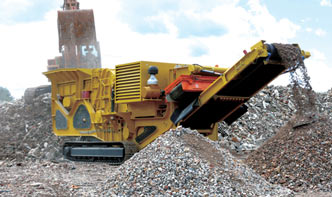
A standout model is their VSI crusher, which uses a rock-on-rock crushing principle to minimize metal wear and produce uniformly shaped aggregates—ideal for asphalt and concrete applications.
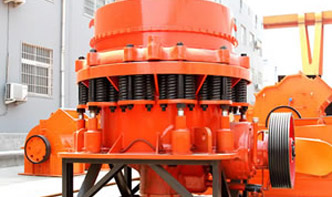
FAQs in Aggregate Processing
1. How do VSIs compare to cone crushers?
VSIs excel in producing finer, well-shaped particles, while cone crushers are better for coarse crushing.
2. What’s the lifespan of wear parts?
Depending on abrasiveness, rotors and anvils may last 500–1,000 hours; regular inspection is key.
3. Can these machines handle recycled concrete?
Yes, but pre-screening is recommended to remove rebar and contaminants.
Case Study: Quarry Optimization
A Malaysian quarry replaced its aging jaw crushers with Pemberton Pigott VSIs, achieving:
Conclusion
As sustainability and efficiency become priorities, Pemberton Pigott’s crushing solutions offer a competitive edge—balancing performance with environmental responsibility. For quarries aiming to upgrade their operations, investing in advanced crushing technology is no longer optional but a strategic necessity.

