The Growing Demand for Beneficiation Plants in Indonesia’s Aggregates Industry
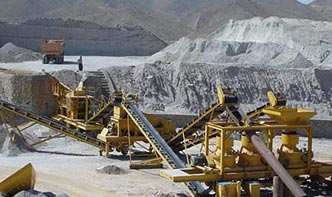
Indonesia’s construction and infrastructure sectors are experiencing rapid growth, driving the demand for high-quality sand and aggregates. Beneficiation plants play a critical role in processing raw materials like limestone, granite, and river gravel into refined products suitable for construction, concrete production, and road building.
With urbanization and government-led infrastructure projects (e.g., toll roads, airports, and housing), Indonesia’s demand for processed aggregates has surged. Traditional methods of extraction often yield inconsistent quality, necessitating advanced beneficiation technologies to improve particle shape, gradation, and purity.
1. Jaw Crushers & Cone Crushers: Primary and secondary crushing to reduce large rocks into smaller fragments.
2. Impact Crushers: Ideal for shaping aggregates with cubic particles, enhancing concrete strength.
3. Vibrating Screens: Separate materials by size to ensure uniformity.
4. Sand Washing Systems: Remove impurities like clay and silt for cleaner final products.
5. Conveyors & Feeders: Automate material handling to improve efficiency.
Q: What is the typical output capacity of a beneficiation plant?
A: Ranges from 50–500 TPH, depending on crusher configuration and feed material.
Q: How to mitigate wear in crushing equipment?
A: Use high-chrome blow bars, mantles, and liners; regular maintenance is essential.
Q: Can river sand be replaced by manufactured sand (M-Sand)?
A: Yes, M-Sand offers better consistency and is eco-friendly compared to natural sand mining.
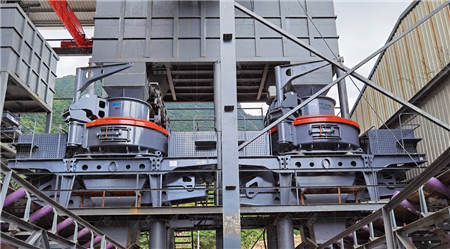
A recent installation in Central Java processes 200 TPH of basalt for road construction. The plant includes a jaw crusher (for primary crushing), a cone crusher (for secondary refinement), and a sand washer to produce ASTM-compliant aggregates. The project reduced reliance on imported materials by 30%.
Indonesia’s beneficiation sector is evolving with technology-driven solutions to meet construction demands sustainably. Investing in the right equipment and processes ensures long-term profitability while adhering to environmental standards.

