The Essential Role of Quartz Screening Equipment in the Aggregate Industry
The global construction boom has driven unprecedented demand for high-quality sand and gravel aggregates. As a key component in concrete, asphalt, and infrastructure projects, processed quartz and other hard rocks require efficient crushing, screening, and grading solutions. Quartz screening equipment plays a pivotal role in ensuring precise particle size distribution, optimal yield, and minimal waste—critical factors for profitability and sustainability in the aggregate sector.
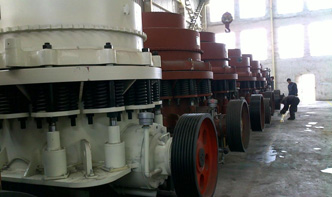
Natural sand shortages and stricter environmental regulations have accelerated the adoption of manufactured sand (M-Sand) derived from crushed quartz, granite, and basalt. Modern screening equipment must handle abrasive materials while maintaining high throughput and energy efficiency. Innovations like multi-deck vibrating screens, trommel screens, and high-frequency classifiers have become industry standards for producing uniformly graded aggregates.
1. Precision Screening: High-performance mesh decks or polyurethane panels ensure accurate separation of fine (0-5mm), medium (5-20mm), and coarse (20-40mm) aggregates.
2. Durability: Abrasion-resistant materials extend wear life in harsh quartz processing environments.
3. Automation Integration: IoT-enabled systems monitor screen tension, vibration amplitude, and feed rates to optimize performance remotely.
4. Modular Design: Scalable configurations adapt to varying production needs—from small quarries to large-scale mining operations.
Q: How does quartz screening differ from other minerals?
A: Quartz’s high hardness (7 on Mohs scale) demands robust screening surfaces and higher vibration intensity to prevent blinding or pegging.
Q: What maintenance reduces downtime?
A: Regular inspection of screen panels, tensioning systems, and bearings—combined with predictive maintenance tools—minimizes unplanned stoppages.
Q: Can recycled concrete be screened effectively?
A: Yes, but pre-sorting to remove contaminants like rebar is critical before secondary crushing and screening.
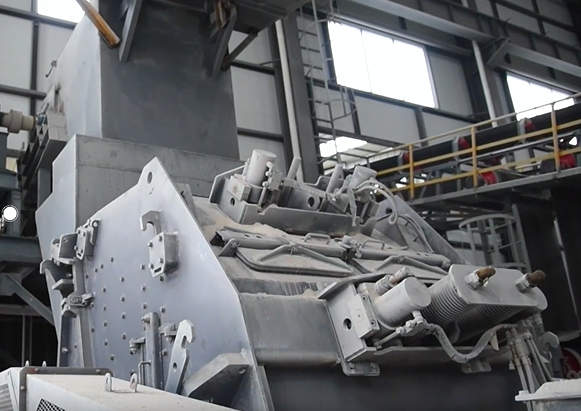
A quarry in Texas upgraded to a multi-stage screening plant featuring rubber-lined screens for quartz processing. The result: a 30% increase in yield of premium-grade M-Sand (0-3mm) and a 20% reduction in energy consumption due to optimized vibration settings. The system’s closed-loop water recycling also aligned with local environmental standards.
Investing in advanced quartz screening technology is no longer optional for aggregate producers aiming to meet quality benchmarks while controlling operational costs. As demand for precision-engineered sand grows, companies leveraging cutting-edge screening solutions will lead the market in efficiency and sustainability.

