Calcium Carbonate Ore Processing Flow in the Aggregate Industry
The aggregate industry plays a critical role in construction, providing essential materials like sand, gravel, and crushed stone. Among these, calcium carbonate ore is a key raw material widely used in cement production, road construction, and industrial applications. Efficient processing of calcium carbonate ore requires specialized crushing and grinding equipment to meet stringent quality standards.
1. Primary Crushing: Large chunks of calcium carbonate ore are fed into jaw crushers or gyratory crushers to reduce size for further processing.
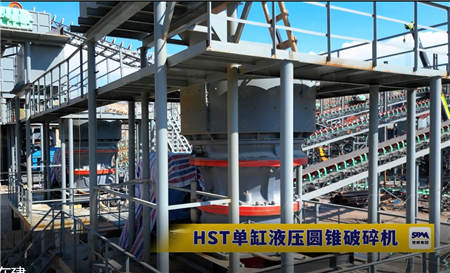
2. Secondary Crushing: Cone crushers or impact crushers refine the material into smaller particles (typically below 50mm).
3. Grinding: Ball mills or vertical roller mills pulverize the crushed ore into fine powder (often 200 mesh or finer for industrial use).
4. Classification & Washing: Screens and hydrocyclones separate particles by size, while washing removes impurities like clay or silt.
5. Drying & Packaging: Rotary dryers reduce moisture content before final packaging or bulk transport.
1. What is the optimal feed size for calcium carbonate crushing?
– Primary crushers handle up to 1,500mm; secondary units process under 300mm for efficiency.
2. How to minimize dust pollution during grinding?
– Closed-circuit systems with bag filters or wet scrubbing are effective solutions.
3. Can recycled aggregates replace natural calcium carbonate?
– Yes, but purity and consistency must meet industry specifications (e.g., ASTM C150 for cement).
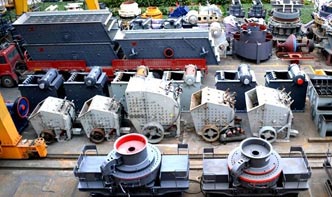
A quarry in Texas upgraded its aging hammer crushers to modern cone crushers, achieving:
By optimizing equipment selection and flow design, producers can enhance productivity while adhering to environmental regulations—key to sustaining growth in the competitive aggregates market.

