The Essential Role of Iron Ore Crushers in Modern Mining and Aggregate Production
The mining and aggregate industry is a cornerstone of global infrastructure development, providing raw materials for construction, manufacturing, and energy sectors. Among the critical equipment in this industry, iron ore crushers stand out as indispensable machines for processing hard and abrasive materials into usable sizes.
Iron ore is a vital resource for steel production, which fuels urbanization and industrialization. To extract maximum value from mined ore, efficient crushing is essential. Crushers break down large chunks of ore into smaller particles, facilitating further processing like grinding, screening, and beneficiation. Beyond mining, crushers are also pivotal in aggregate plants producing sand and gravel for concrete, asphalt, and road bases.
Modern iron ore crushers are designed to handle high-capacity workloads while minimizing energy consumption and wear. Key types include:
1. Jaw Crushers: Ideal for primary crushing, using compressive force to reduce large rocks.
2. Cone Crushers: Suited for secondary/tertiary crushing, offering finer output with lower operational costs.
3. Impact Crushers: Utilize high-speed rotors for shaping aggregates or softer ores.
4. Gyratory Crushers: Deployed in large-scale mining operations for high throughput.
Advanced features like hydraulic adjustment, automated control systems, and wear-resistant liners enhance efficiency and longevity.
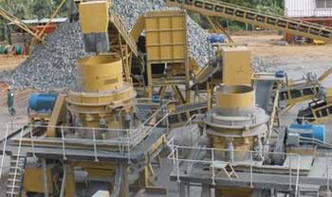
Q: How to choose the right crusher plant integrates multiple stages—primary crushing (jaw or gyratory), secondary/tertiary crushing (cone or impact), and screening—to produce uniformly sized material ready for downstream processes.
1. What’s the typical output size range?
Primary crushers yield 6–12-inch fragments; secondary/tertiary units produce 0.5–2-inch particles suitable for grinding or direct use.
2.How do you mitigate wear in iron ore crushing? Hardox-lined chambers,tungsten carbide tips,and regular maintenance extend equipment lifespan.
3. plants be mobile? Yes,mobile setups (e.g.,track-mounted units) offer flexibilityfor remote or temporary sites.
4.What’s the power requirement? Depending on capacity,crusher plants may need 200–1000 kW per unit.
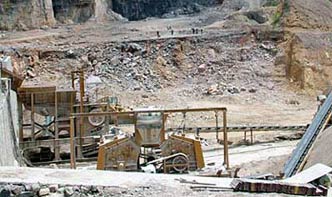
Engineering Case Study:Australian Iron Ore Project A leading miner in Western Australia deployed a three-stage crushing plant (jaw-cone-screen)to process 2,500 TPH of hematite ore.The system achieved 98% uptime via predictive maintenanceand real-time monitoring,reducing unplanned downtime by30%.
Conclusion As demandfor steeland infrastructure grows,ironore crusherplants will remain pivotal.Optimizing their design,efficiency,and durability ensures sustainable resource utilizationwhile meeting stringent industry standards.From rugged jawsto precision cones,these machinesarethe backboneof mineralprocessing—a testamentto engineering excellencein harsh environments

