Basalt Quarry Operations in Corbett, Oregon: Equipment and Industry Insights
The basalt quarry industry in Corbett, Oregon, plays a critical role in supplying high-quality aggregates for construction, road building, and infrastructure projects. Basalt, known for its durability and compressive strength, is a preferred material for producing crushed stone and manufactured sand. To meet growing demand, quarry operators rely on advanced crushing and screening equipment to optimize production efficiency.
Core Equipment for Basalt Processing
1. Primary Jaw Crushers: Heavy-duty machines like the C Series or reduce large basalt blocks (<800mm) to manageable sizes (150–300mm).
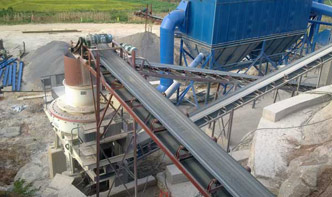
2. Secondary Cone Crushers: Models such as the CH660 or MVP450 provide finer crushing (≤50mm) with high throughput and low wear costs.
3. Tertiary Impact Crushers: For shaping cubical aggregates or producing sand, vertical shaft impactors (VSIs) like the B7150 deliver precise gradation control.
4. Screening Systems: Multi-deck screens (e.g., FS Series) classify materials into spec products (e.g., 0–5mm sand, 5–20mm aggregate).
Industry Challenges & Solutions
FAQ Section
Q: What’s the typical output of a basalt quarry plant?
A: A mid-sized plant (200–300 TPH) can produce ~500,000 tons/year, yielding 40% coarse aggregates, 30% fine aggregates, and 30% manufactured sand.
Q: How to mitigate noise pollution?
A: Enclose crushers with soundproof panels and schedule blasting during daytime hours per local ordinances.
Case Study: Corbett Quarry Upgrade
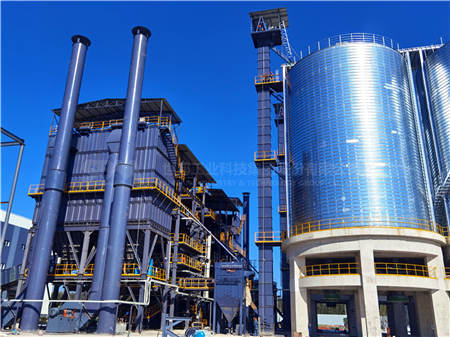
A local operator replaced aging equipment with a LT120 jaw crusher and ST4.8 mobile screen, boosting production by 35% while reducing fuel consumption through track-mounted mobility. The plant now supplies ASTM C33-certified basalt sand to Portland-area concrete batching plants.
By leveraging modern technology and sustainable practices, Corbett’s basalt quarries continue to support regional development while minimizing environmental impact.

