Gravel Crushers in Dibba: Powering the Region’s Construction Boom
The Dibba area, strategically located along the UAE-Oman border, is witnessing rapid infrastructure development, driving demand for high-quality aggregates. Gravel crushers play a pivotal role in supplying crushed stone, sand, and gravel for projects ranging from road construction to real estate. This article explores the industry landscape, equipment essentials, and practical insights for operators in Dibba.
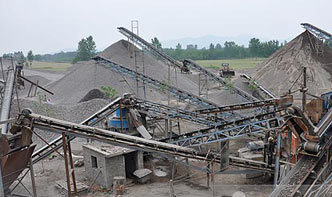
Dibba’s rugged terrain and proximity to raw materials make it an ideal hub for quarrying. With mega-projects like highways and ports underway, mobile and stationary crushers are deployed to process basalt, limestone, and gabbro—key materials for durable asphalt and concrete. The UAE’s focus on sustainable construction further emphasizes the need for efficient crushing solutions to minimize waste and energy consumption.
1. Jaw Crushers: Primary crushing of large rocks (e.g., 600–900 mm feed size) into manageable chunks. Ideal for hard abrasives like Dibba’s gabbro deposits.
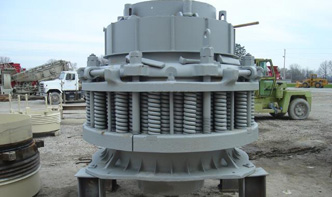
2. Cone Crushers: Secondary/Tertiary crushing for precise shaping (e.g., 20–50 mm output), critical for high-spec concrete mixes.
3. Impact Crushers: Versatile for softer stone or recycling demolition waste, producing cubical aggregates.
4. Mobile Units: Track-mounted crushers offer flexibility in remote sites like Dibba’s mountainous quarries, reducing transport costs.
Q: What’s the average production capacity needed for Dibba projects?
A: Mid-sized quarries often opt for 200–300 TPH plants, while large contractors may require 500+ TPH setups.
Q: How to mitigate abrasive wear in crushers?
A: Regular liner inspections, proper feed control (avoid overloading), and using ceramic-reinforced components extend lifespan.
A Dibba-based operator replaced outdated hammer mills with a cone crusher + vertical shaft impactor (VSI) combo, boosting output by 40% while achieving 0–5mm sand ideal for plastering. The modular design allowed quick relocation to new extraction zones.
Investing in the right gravel crusher—matched to local geology and project scales—is crucial for Dibba’s growth-driven market. Prioritize energy efficiency, after-sales support (spare parts availability in Fujairah/Ras Al Khaimah), and automation features like remote monitoring to stay competitive in this dynamic region.

