Vibro Finisher Barber: Revolutionizing Aggregate Processing in the Construction Industry
The global construction industry relies heavily on high-quality aggregates for infrastructure projects, from roads to buildings. As demand grows, so does the need for efficient crushing and screening equipment. Among the key players in this sector, Barber’s Vibro Finisher stands out as a robust solution for producing precisely graded aggregates.
Aggregates form the backbone of modern construction, accounting for over 80% of concrete and asphalt mixtures. With stricter regulations on particle shape and gradation, traditional crushing methods often fall short. Vibratory finishing screens, like Barber’s Vibro Finisher, address these challenges by delivering uniform sizing and improved material quality while minimizing waste.
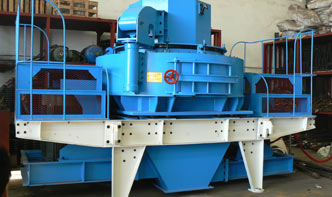
1. Advanced Vibration Technology: Equipped with high-frequency vibratory motors, the machine ensures optimal material stratification and efficient separation of fines.
2. Durable Construction: Heavy-duty steel frames and polyurethane decks enhance longevity, even in abrasive environments.
3. Customizable Screening Decks: Adjustable screen angles and mesh sizes cater to diverse materials (e.g., granite, limestone, recycled concrete).
4. Low Maintenance Design: Sealed bearings and simplified access points reduce downtime.
Q: How does the Vibro Finisher compare to traditional trommel screens?
A: Unlike trommels, vibratory screens offer higher precision in sizing and consume less power per ton processed.
Q: Can it handle wet or sticky materials?
A: Yes, optional spray bars or heated decks prevent blinding in humid conditions.
Q: What’s the typical ROI period?
A: Most operations recoup costs within 12–18 months due to reduced energy use and higher yield rates.
Barber’s Vibro Finisher exemplifies innovation in aggregate processing, combining reliability with precision engineering. For quarries and recycling plants aiming to optimize output quality while cutting operational costs, this system presents a compelling investment—proving that smarter screening translates to stronger infrastructure.

