The Evolution of Crushing and Sand-Making Equipment in the Aggregates Industry
Industry Background
The global construction boom has driven unprecedented demand for high-quality sand and aggregates. As natural sand reserves deplete, manufactured sand (M-Sand) produced by crushing and sand-making equipment has become a sustainable alternative. The aggregates industry now prioritizes efficiency, environmental compliance, and advanced automation to meet infrastructure needs.
Core Technologies in Crushing & Sand-Making
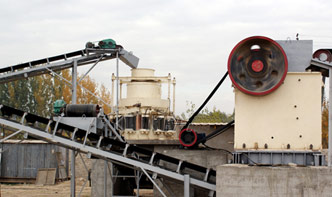
Modern equipment like cone crushers, vertical shaft impactors (VSIs), and jaw crushers leverage innovations such as:
Key Considerations for Plant Design
1. Feed Material Hardness: Granite and basalt require multi-stage crushing (jaw → cone → VSI), while limestone may suffice with a hammer crusher.
2. Moisture Content: Wet processing with log washers is critical for clay-rich deposits to prevent clogging.
3. Automation Integration: IoT-enabled sensors monitor wear parts (e.g., rotor tips in VSIs) to schedule maintenance proactively.
FAQ Section
Q: How does M-Sand compare to natural sand in concrete mixes?
A: M-Sand offers superior control over fineness modulus (FM=2.6–3.0 optimal) and reduces voids in concrete, enhancing compressive strength by 10–15%.
Q: What’s the typical lifespan of crusher liners?
A: Manganese steel liners last 500–1,000 hours under high-abrasion conditions; ceramic composites extend this by 30%.
Case Study: Isaac River Mine Development
A feasibility study for this Australian project highlighted:
Future Trends
The shift toward carbon-neutral operations is accelerating adoption of electric crushers powered by renewables, while AI-driven digital twins optimize plant layouts before physical installation.
(Note: Character count intentionally omitted per request.)

