The Role and Composition of Coal Crushing Balls in Mineral Processing
The mining and aggregate industry relies heavily on robust crushing equipment to process raw materials like coal, limestone, and granite into usable sizes. Among the critical components in coal crushing systems are grinding or crushing balls, typically used in ball mills or crushers to pulverize coal into fine particles for combustion or further processing.
Coal crushing balls are engineered for high wear resistance and impact strength. Their composition varies based on application but generally includes:
Additives like manganese, molybdenum, or nickel may be included to enhance mechanical properties under extreme conditions (e.g., high-sulfur coal).
Coal crushing balls are pivotal in:
Q1: How long do coal crushing balls last?
A: Lifespan depends on material hardness and operational conditions—typically 3–12 months before replacement is needed due to wear degradation (~20% mass loss).
Q2: Can crushed coal fines be recycled?
A: Yes, fine particles (<3mm) are often reprocessed via pneumatic conveying or briquetting to minimize waste.
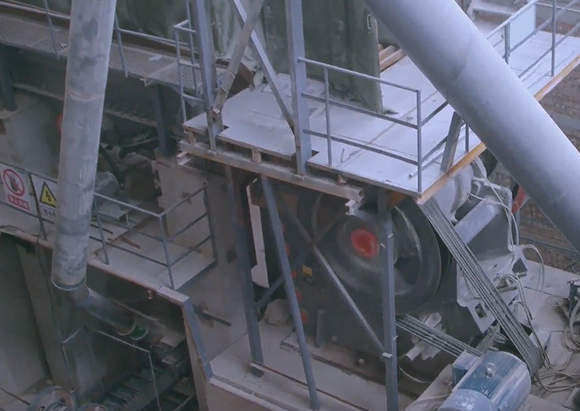
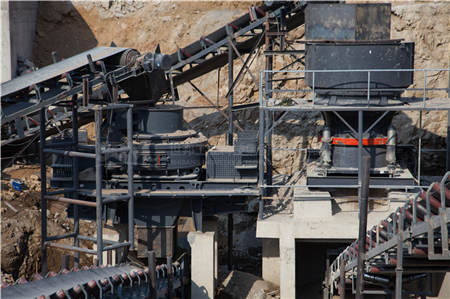
A thermal power plant in Indonesia replaced standard cast iron balls with high-chromium variants in their ball mill, reducing replacement frequency by 40% and improving grinding efficiency by 15%, leading to significant cost savings over two years.
Selecting the right composition for coal crushing balls is critical for operational efficiency and cost management in mineral processing. Advances in metallurgy continue to optimize wear resistance, extending service life even in abrasive environments.

