The Role of Rock Crushers in Modern Aggregate Production: Spotlight on Keene G-Force Rock Crusher
The aggregate industry is the backbone of infrastructure development, supplying crushed stone, sand, and gravel for construction projects worldwide. Central to this process are rock crushers, which transform raw materials into usable aggregates. Among these machines, the Keene G-Force Rock Crusher stands out for its efficiency and portability, particularly favored by small-scale miners and contractors.
Global demand for high-quality aggregates continues to rise, driven by urbanization and road-building initiatives. Traditional jaw crushers and cone crushers dominate large-scale operations, but compact units like the Keene G-Force offer flexibility for remote or smaller projects. Its impact crushing mechanism delivers consistent output while minimizing fines—a critical factor in meeting ASTM/EN standards for concrete and asphalt mixes.
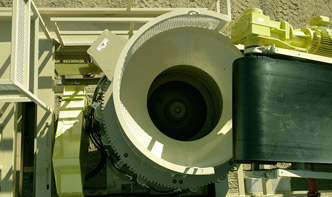
This portable crusher utilizes a high-speed rotor system to pulverize rocks up to 1 inch in diameter. Key features include:
YouTube demonstrations highlight its rapid processing of hard rock (e.g., quartz or granite), achieving ~1 ton/hour throughput—impressive for its class.
1. Can it handle wet or sticky material?
Dry, brittle rock yields optimal results; moisture may cause clogging.
2. Maintenance requirements?
Regular rotor inspections and lubrication extend lifespan (~500+ hours).
3. Output size variability?
Adjustable baffle plates allow tuning between 20–100 mesh.
A gold prospector paired the G-Force with a sluice box to crush ore onsite, increasing recovery rates by 30% compared to manual methods. The crusher’s mobility allowed relocation across claim sites without heavy equipment logistics.
While not a replacement for industrial-scale crushing plants, the Keene G-Force fills a niche for agile operations requiring rapid deployment and reliable performance—proof that innovation thrives even in foundational industries like aggregates.

